
Hey there, I’m the voice behind our InfluencerNexus blog. If you’re a US brand marketer scrolling through this in early 2026, you are probably feeling the same way I am: influencer marketing isn’t some optional “nice-to-have” anymore; it’s become a real core part of growing your brand and driving actual sales and new customers.
Let me break it down simply for any brand owner reading this (no jargon, just the straight facts):
In 2025, the global influencer marketing industry reached approximately $32–33 billion, according to leading industry sources: Statista estimates ~$33 billion (Statista, 2025), Influencer Marketing Hub benchmarks it at $32.55 billion (Influencer Marketing Hub, 2025), and CreatorIQ aligns on $33 billion (CreatorIQ, 2025–2026). Looking ahead to 2026, projections indicate continued rapid expansion, with Mordor Intelligence forecasting $40.51 billion as brands increasingly shift budgets from traditional channels to authentic creator partnerships (Mordor Intelligence, 2025–2031).
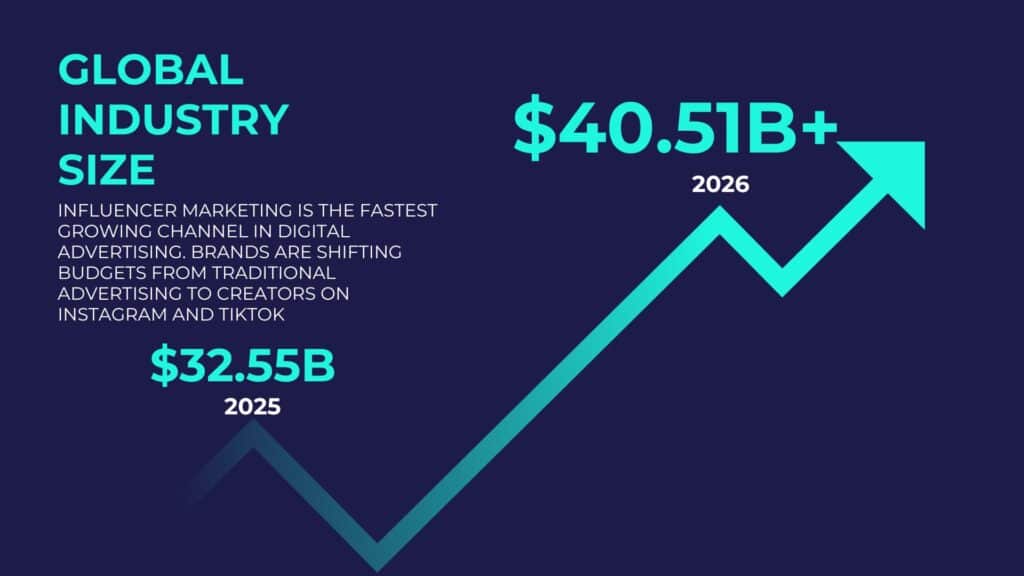
In the US (which grabs a huge share, often 35%+ of the global pie), brands are leading the way by pouring way more budget into creators than ever before. We’re seeing serious dollars moving from old-school channels like TV, Google ads, or traditional paid social straight to real people on Instagram, TikTok, and beyond, who actually build trust and connection with your customers in a way that ads often can’t.
Why does this matter to you as a brand owner?
Bigger budgets mean higher stakes. What used to be a low-risk test is now where real money flows, and real results are expected. Audiences are tired of fake or overly scripted stuff; they crave authentic connections. The brands winning big aren’t just throwing money at viral moments or massive follower counts. The smartest ones (and the top agencies) are building human, strategic partnerships that feel genuine, deliver measurable ROI (like traffic, conversions, or repeat buyers), and stand out in a crowded space.
This year, influencer marketing has fully graduated from “experiment” to a must-have growth engine for forward-thinking brands. Fresh insights back this up, like Linqia’s 2026 State of Influencer Marketing Report, where 62% of marketers are increasing their influencer budgets (with a third planning to spend over $5M), and creator content keeps outperforming other channels in engagement and trust. Even perspectives from places like Vogue highlight how the creator landscape is evolving fast—longer-term relationships, community involvement, and smarter integration into overall strategy are winning.
InfluencerNexus has successfully collaborated with hundreds of brands, highlighting a clear industry shift: smart brands are doubling down on influencer marketing, prioritizing authentic partnerships, performance metrics, and long-term creator relationships over traditional advertising.
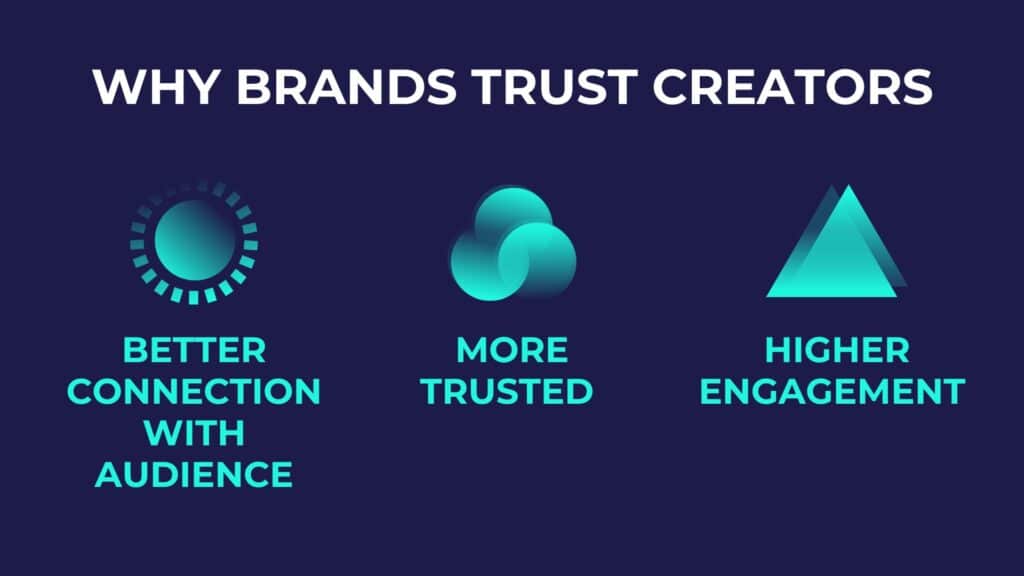
But here’s the real talk: not every agency is keeping up with this shift. The ones crushing it aren’t playing catch-up with outdated tactics. They’re doing things differently, focusing on alignment, performance tracking, brand protection, and long-term momentum that actually scales your business.
If you’re ready to level up, attract the best creators who truly fit your brand, avoid wasting budget on hype, and get results you can proudly show your team or investors… these are the changes you need to know about right now.
The top agencies? They are not playing catch-up! They are doing things differently in ways that actually deliver. If you’re ready to level up, attract the best creator partners, and get real results, these are the changes you need to make…. Let’s talk about it!
1. Treating Creators Like True Strategic Partners, Not Just Content Machines
One of the biggest mindset shifts we’re seeing in 2026 is that the best influencer marketing agencies have moved far beyond one-off sponsored posts and tactics borrowed from traditional advertising. Instead of treating creators as just another media placement, top agencies are rethinking their influencer marketing strategy by bringing creators into the process early, as collaborators, advisors, and creative partners who help shape products, influencer campaigns, and even brand direction.
Rather than sending over a rigid brief and hoping for the best, leading agencies are creating space for real collaboration. That can look like feedback sessions before a launch, small community panels, or ongoing creator “councils” where influencers share honest input on messaging, collections, and audience sentiment. When creators are involved from the start, influencer content feels more natural, less scripted, and far more believable, because it’s rooted in perspectives they genuinely stand behind.
This shift isn’t just about creativity; it’s also about performance. Data continues to show that brands that move away from traditional advertising mindsets and give creators greater creative ownership within their influencer campaigns see stronger trust, deeper engagement, and more meaningful connections with audiences. When creators feel invested, their content resonates differently; it feels lived-in rather than forced.
Here are two examples of how Brands and Influencers work together and launch great products that not only bring audience and sales, but also bring authenticity and collabs with intention.
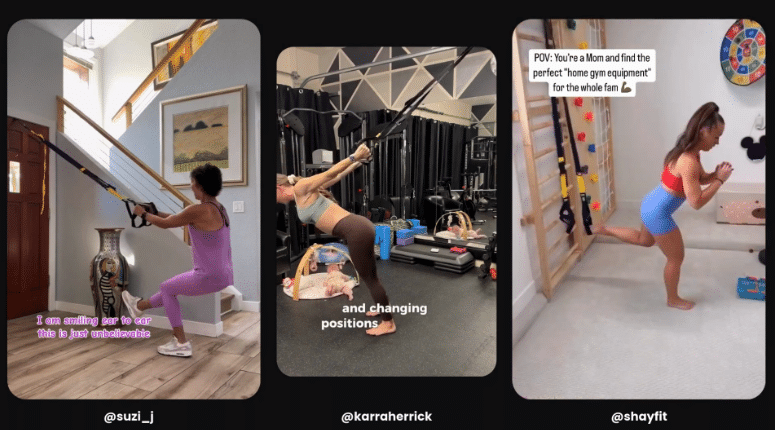
In our own case study with TRX, we partnered with a curated group of nano and micro fitness creators who genuinely live the brand lifestyle. Rather than one-off sponsored posts, we built long-term, authentic relationships. Creators integrated TRX into real workouts, day-in-the-life routines, and community challenges. The result? Significantly higher engagement rates, stronger audience trust, and measurable lift in site traffic, trial sign-ups, and direct sales, proving that intentional, values-aligned collabs outperform traditional paid promotions every time.
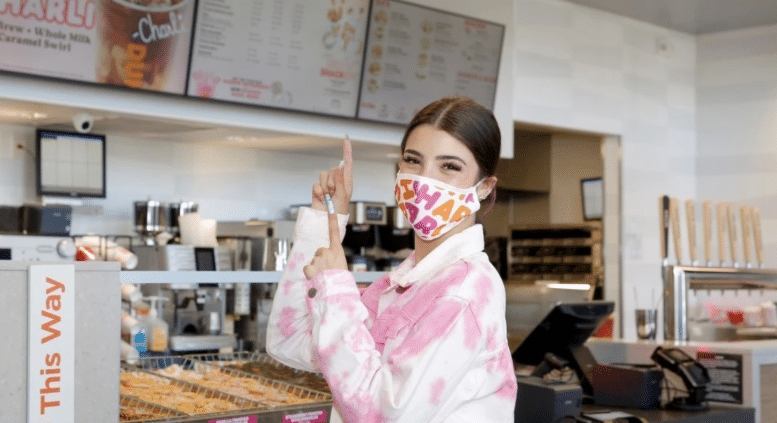
Then there’s Dunkin’ adding “The Charli” to its permanent nationwide menu, not as a traditional ad, but by turning TikTok star Charli D’Amelio’s exact daily order (Cold Brew with whole milk and three pumps of caramel swirl) into an official signature drink. The move was pure genius: authentic, fan-driven, and instantly relatable.
The impact? Explosive. Dunkin’ sold hundreds of thousands of cups in the first five days alone. Cold brew sales jumped 20% on launch day and surged 45% the next, while the app saw a record-breaking 57% spike in downloads. It proved that when a brand leans into genuine creator influence instead of scripted ads, sales don’t just grow. They explode!
These collabs show the shift in 2026: authentic partnerships with cultural relevance or personal authenticity outperform traditional advertising every time.
As audiences grow more discerning, polished visuals alone are no longer enough. People are looking for substance, relevance, and voices they actually trust. That’s why the most effective influencer marketing strategies today combine tastemakers, niche experts, and long-term brand advocates. Together, they help brands move beyond visibility and into real cultural relevance, the kind that builds loyalty, not just impressions.
2. Turning Creator Content Into Fuel for Your Entire Marketing Ecosystem
One insight from Linqia’s latest report really puts things into perspective: 100% of marketers are now repurposing influencer content across paid, owned, and earned channels, with 81% saying it consistently outperforms content produced by their internal teams (Linqia, 2026 State of Influencer Marketing Report). That stat alone explains why the most advanced influencer marketing agencies are rethinking how value is created and why influencer marketing is pulling further away from traditional advertising.
Top agencies are not treating influencer campaigns as single posts that live and die on one feed. Instead, they are designing every collaboration with longevity in mind. From the very start, content is planned to travel. A TikTok video might evolve into paid social ads, email creative, website hero content, or even in-store and event recaps. Each asset is intentionally built to work across platforms, extending both reach and engagement quality well beyond the original activation.
What’s especially powerful is how this strategy supports long-term creator relationships. When brands work with the same creators over time, content becomes more authentic, messaging improves, and performance compounds. Creators understand the brand better, audiences trust them more, and campaigns feel less like ads and more like ongoing conversations, particularly with niche audiences that value depth and relevance over mass appeal.
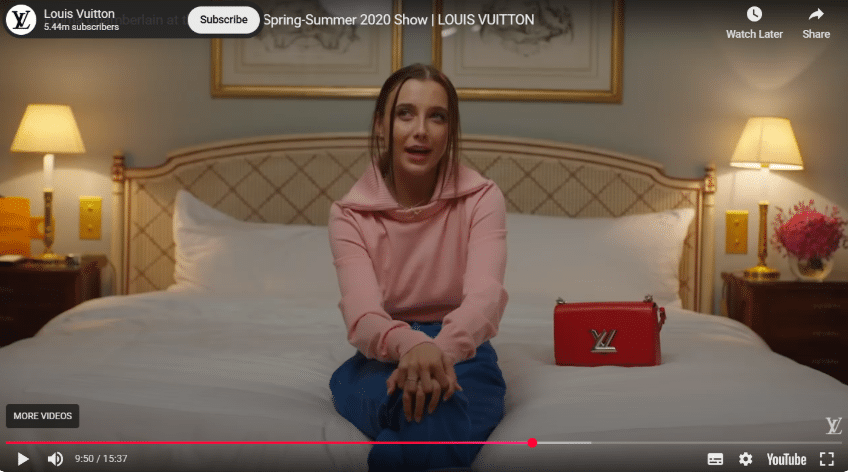
An iconic real-world example of a long-term collaboration is the relationship between content creator Emma Chamberlain and the French luxury house Louis Vuitton. This partnership stands out because it broke traditional high-fashion boundaries by integrating a YouTuber into a world previously reserved for professional models and Hollywood A-listers.
Video continues to lead the way, with short-form formats driving the strongest engagement quality. But the smartest agencies are also diversifying distribution. We are seeing stronger use of YouTube for longer storytelling, emerging platforms like Substack for thought-led content, and even IRL activations as audiences look for more human, “unplugged” brand experiences. This blend of digital and real-world touchpoints creates a richer, more memorable brand presence.
Ultimately, this approach turns influencer campaigns into a library of high-value creative assets. Instead of competing with traditional advertising, influencer content becomes a growth engine that drives traffic, supports sales, and builds long-term loyalty. When executed thoughtfully, each collaboration delivers impact far beyond a single post, and that’s exactly where the best agencies are focused in 2026.
3. Going All-In on Nano and Micro Creators for Real Engagement and ROI
For years, influencer marketing was dominated by the race to land the biggest names. But in 2026, the smartest agencies have finally let go of the mega-influencer obsession. Instead, they’re focusing on nano creators (under 10K followers) and micro creators (10K–100K), because that’s where real influence and real results actually happen.
Nano and micro creators dominate today’s social platforms — especially Instagram and TikTok — consistently outperforming larger accounts in trust and engagement. Nano creators often achieve 2–3%+ engagement rates, far above most celebrity influencers, because they connect with audiences in a deeply personal way: followers see them as genuine peers, not advertisers, so recommendations feel authentic and matter more.
This shift is backed by hard data: according to Linqia’s 2026 State of Influencer Marketing Report, 100% of marketers now repurpose influencer content across paid, owned, and earned channels, with 81% reporting it outperforms their internal team’s output. That single insight explains why top agencies are redefining value creation and moving decisively away from traditional advertising.
Cost efficiency is another reason top agencies are leaning in. Working with the right creators at smaller scales allows brands to test, learn, and optimize without overspending, while still driving meaningful revenue impact. When dozens or even hundreds i of nano and micro creators are activated thoughtfully, the combined effect often outperforms a single large partnership, both in performance and credibility.
What truly sets leading agencies apart is how they structure these programs. Rather than one-off posts, they run always-on influencer campaigns built around long-term relationships. Creators are brought back repeatedly, which helps content feel more natural over time and strengthens brand familiarity within tight-knit communities. This approach is especially effective when experimenting with different content formats, from short-form video and Stories to product demos and behind-the-scenes content.
Gifted collaborations play a big role here as well. Because they’re lower pressure and more organic, they often outperform paid posts, especially with nano creators whose audiences are highly sensitive to authenticity. When creators genuinely like a product and have the freedom to talk about it in their own voice, the result feels real, and audiences respond accordingly.
In a landscape where trust is currency, nano and micro creators are no longer “small.” They’re strategic. And the agencies that understand how to build scalable, relationship-driven programs around them are the ones delivering the strongest long-term results in 2026.
At InfluencerNexus, when scouting high-performing micro-influencers, we focus on a few key metrics to ensure maximum ROI, authenticity, and audience alignment. Here’s a real example of the kind of profile we prioritize:
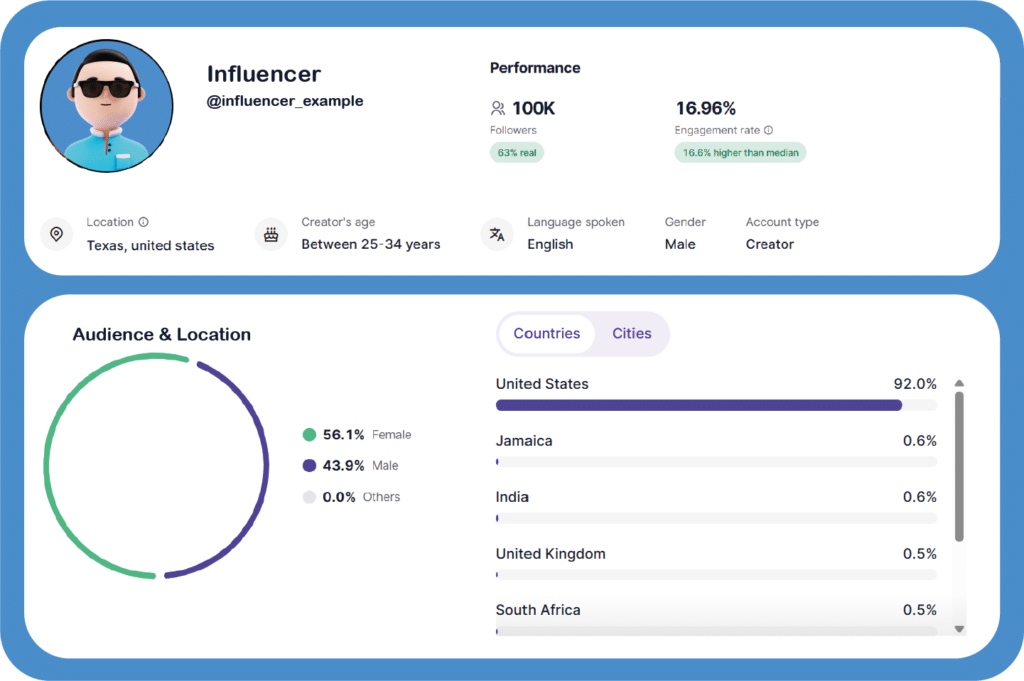
- Primary audience location: Texas, United States (with over 92% of followers based in the US) → perfect for brands targeting the American market with strong regional relevance.
- Follower count: 100K → ideal micro-influencer range (50K–100K), offering solid reach without sacrificing personal connection or engagement quality.
- Engagement rate: 16.96% → outstanding performance (16.6% above the category median), signaling a highly active, loyal, and genuinely interested community.
- Gender distribution: 56.1% female → especially valuable for categories with high female purchase intent (beauty, fashion, wellness, lifestyle), where women tend to convert more readily on trusted recommendations.
- Audience age: Primarily 25–34 years old → a high-value demographic with high disposable income and active online shopping behavior.
With 63% real followers and such elevated engagement, profiles like this create recommendations that feel like genuine peer advice rather than paid promotions —driving higher-quality traffic, better conversion rates, and stronger long-term brand affinity.
4. Using AI Smartly As a Helper, Not the Hero
The best agencies in 2026 are not betting on AI influencers like @fit_aitana (and that’s not to diminish their creativity or usefulness in very specific niches). The human element remains irreplaceable for generating genuine emotion, emotional connection, and real trust. Instead, leading agencies are using AI as a powerful tool for efficiency and scale, not as a replacement for real creators.
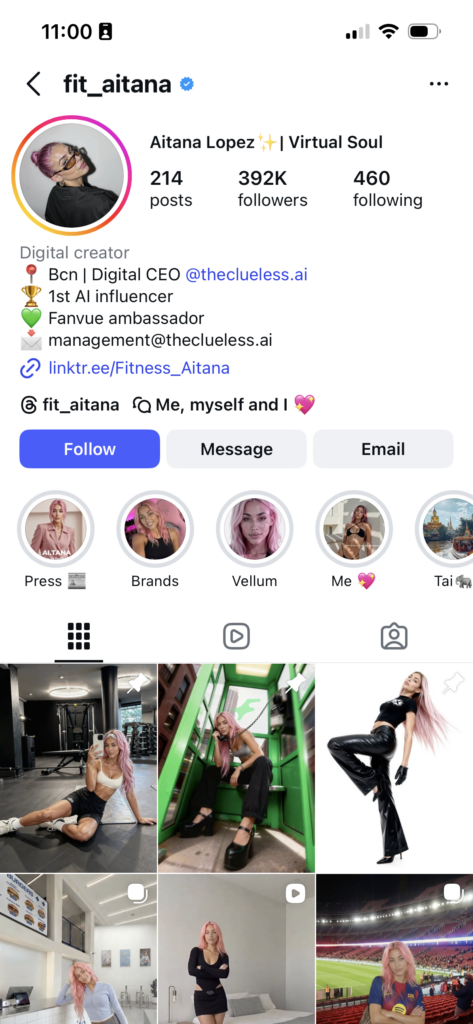
AI is everywhere right now, and in influencer marketing, the best agencies know exactly how to use it and where to draw the line. Instead of chasing hype, leading teams use AI to support the parts of influencer marketing that benefit most from speed and scale: discovering creators faster, matching brands with the right creators, streamlining workflows, and analyzing performance data to improve attribution and reporting.
This is where different agencies start to separate themselves. The strongest ones don’t use AI to replace people; they use it to free up time for what actually matters. While algorithms can surface patterns and flag opportunities, they can’t fully understand tone, humor, cultural moments, or why a piece of influencer content suddenly clicks with an audience. That human instinct still drives higher engagement and more meaningful connections.
There is also a clear reason why most marketers continue to prioritize real creators over virtual ones. Trust remains the foundation of effective influencer marketing, and audiences respond to people, not avatars. With fewer than 11% of marketers expressing interest in virtual influencers, it’s clear that authenticity still wins, especially when brands are focused on long-term impact rather than short-term vanity metrics.
The real value of AI shows up when it helps brands move beyond surface-level numbers. Instead of obsessing over likes and impressions, the best influencer marketing teams use AI-powered insights to understand what’s actually driving measurable results from conversion behavior to brand lift and assisted revenue impact. This allows influencer marketing to be evaluated with the same rigor as other performance channels, without losing its creative edge.
The sweet spot is balance. AI boosts efficiency and helps optimize influencer marketing programs at scale, while humans lead the creative direction, relationship-building, and storytelling that make campaigns feel real. When those two forces work together, brands consistently see strong returns (often averaging $5–6 in revenue for every dollar spent, and reaching $11–18 in top-performing campaigns).
In 2026, the agencies winning in influencer marketing aren’t the ones choosing between technology and creativity. They’re the ones combining both: using AI to work smarter, while keeping human insight at the center of every campaign.
Doubling Down on Authenticity in a World Full of Noise
Audiences today are more aware than ever and they are tired of overly polished, sales-driven content that feels like traditional advertising dressed up for social media. What people actually respond to now is honesty, personality, and storytelling that feels real. That shift is why the most forward-thinking agencies are redefining how creator marketing works in 2026.
Instead of pushing creators into rigid briefs or relying on one-off campaigns, leading agencies are encouraging creator-led storytelling. That means day-in-the-life integrations, humor-driven formats, behind-the-scenes moments, and content that fits naturally into a creator’s world. When agencies match creators with brands based on shared values and audience alignment (not just follower counts) the result is content that feels believable, engaging, and genuinely enjoyable to watch.
This approach is especially powerful when brands want to connect with niche communities. These audiences are smaller, more intentional, and far more engaged, and they can immediately tell when a recommendation feels forced. That’s why the best agencies take the time to match creators carefully, ensuring the creator’s voice, lifestyle, and audience expectations align with the brand’s message. Authenticity is not accidental; it is designed.
We’re also seeing a shift away from platforms alone. As algorithm fatigue grows, top agencies are helping brands reach audiences through direct channels like creator newsletters, private communities, and even offline experiences such as events and meetups. These touchpoints deepen trust and turn creator partnerships into real relationships, something one-off campaigns simply can not deliver. Here again, agencies that know how to match creators to the right format and environment outperform those chasing reach alone.
Here are a few strong examples of shifting from fleeting digital ads to deeper, trust-based connections:
- Creator Newsletters (Direct Inbox Trust) Brands are securing prime spots in high-engagement newsletters, where open rates often dwarf social media. A fintech like Mercury or Wealthfront sponsors outlets such as The Hustle or Morning Brew. The curator’s authentic voice turns a product mention into a trusted friend’s recommendation rather than a hard sell.
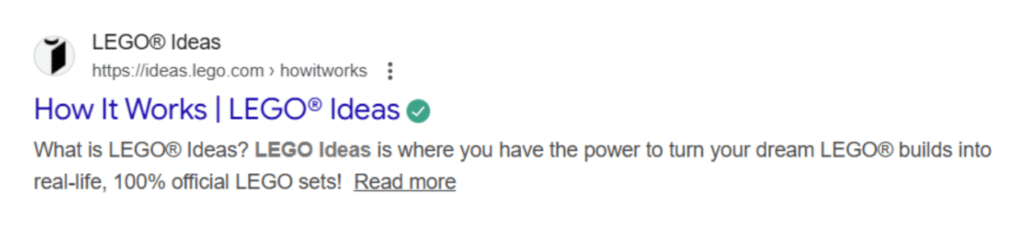
- Private Communities (Walled-Garden Conversations) Agencies now place brands in closed Discord or Slack groups for real, two-way dialogue instead of one-to-many broadcasting. LEGO runs its LEGO Ideas community, letting fans co-create and vote on new sets, true collaboration, not just marketing. Similarly, brands like Beats by Dre seed products with cultural insiders in private groups long before public launch.
- Offline Experiences (Real-World Touchpoints) To counter digital fatigue, top agencies create meaningful in-person moments that algorithms can’t replicate. Nike goes beyond TikTok clips with local Nike Run Club meetups that transform followers into passionate advocates through shared sweat. Tracksmith takes it further with Trackhouses—city-based retail + community hubs where runners train, hang out, shower, and bond, forging loyalty that lasts.
This renewed focus on authenticity is paying off, especially as budgets continue to rise. With many brands planning influencer investments of $5M or more, creators are no longer treated as short-term promotional tools. They’re becoming modern word-of-mouth engines, trusted voices who influence how people discover, evaluate, and connect with brands over time.
In a crowded landscape, authenticity isn’t just a creative choice; it is a competitive advantage. And the agencies winning today are the ones helping brands build creator marketing programs that feel human, intentional, and rooted in real connection.
6. Turning ROI From a Headache Into a Growth Lever
For most brands, ROI is still the biggest pain point in influencer marketing; in fact, nearly 79% of marketers say they struggle to clearly prove ROI. That’s exactly where the best agencies are focusing their energy in 2026. Instead of relying on surface-level metrics or gut feeling, they’re investing deeply in smarter measurement and cleaner campaign execution.
Top agencies build influencer programs with tracking baked in from day one. That means using promo codes, brand lift studies, and more sophisticated attribution models to understand how influencer activity actually drives results. Rather than guessing whether content worked, brands can see how campaigns influence traffic, conversions, and downstream revenue, even when influencer touchpoints don’t lead to an immediate sale.
This approach is especially important as brands shift more budget toward smaller creators and long-term partnerships. When agencies help brands find creators and select the right influencer for each campaign, performance becomes easier to measure as well as easier to scale. Smaller creators often deliver stronger, authentic engagement, which shows up not just in likes or comments, but in higher-quality traffic and purchase intent.
Another major shift is how influencer content is being evaluated against other channels. Instead of competing with paid ads, influencer campaigns are increasingly integrated into the full marketing mix. What does this mean? Instead of a brand-owned ad that feels like a commercial, the audience sees a recommendation coming directly from a creator they trust, which can be scaled using the brand’s advertising budget. Some good examples of brands that are actually doing this are:
- When InfluencerNexus partners with HelloFresh, we go beyond one-off creator campaigns. We analyze real-time performance data to identify their highest-engagement meal prep posts from authentic creators, then strategically “whitelist” and amplify that proven content through targeted paid ads. This dual approach retargets warm, high-intent audiences for stronger conversions while simultaneously expanding reach to new, high-potential demographics, driving measurable growth in trials, subscriptions, and overall brand affinity.

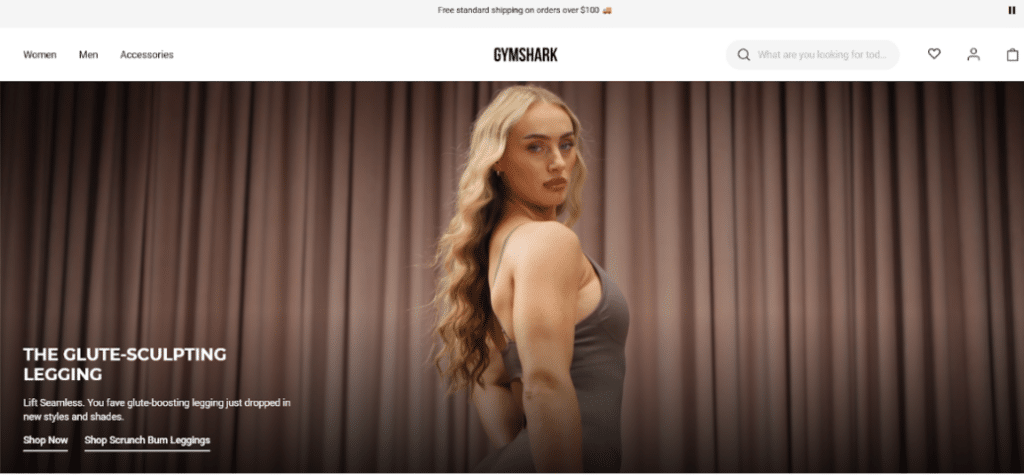
- Gymshark takes long-term creator partnerships to the next level by integrating top-performing “athletes” across every touchpoint, from co-creating product lines and hosting physical events to featuring them prominently in high-budget digital ad campaigns. This creates authentic, ongoing brand advocacy that feels organic rather than transactional. At InfluencerNexus, we help brands like Gymshark build and scale similar ambassador ecosystems. By identifying high-performing creators and nurturing them through structured programs, we turn genuine community members into official ambassadors, often sparking FOMO among other influencers who aspire to “athlete” status. This upward mobility not only drives loyalty and consistent content, but also fuels organic growth as creators actively promote the brand to climb the ranks.
- Ello: For their AI reading app launch, they used “parent-led” content as the primary creative for their paid media, resulting in a 7.7% click-through rate, which is far higher than typical brand ads.
Agencies now report on how creator content supports paid amplification, improves ad performance, and reduces overall acquisition costs; all while avoiding heavy platform fees tied to traditional media buys. Even when AI-generated content is used for efficiency or testing, human-led influencer content continues to outperform when it comes to trust and resonance.
Just as important is how results are communicated internally. The best agencies don’t overwhelm teams with dashboards; they translate data into clear insights that leadership can understand. Reports highlight real outcomes: qualified visits, sales impact, lift in engagement, and overall campaign performance, not just vanity metrics. This clarity gives marketing teams confidence and makes influencer marketing easier to defend in budget conversations.
When brands can clearly connect influencer efforts to business results, momentum follows naturally. Budgets grow, programs expand, and influencer marketing shifts from an experimental channel into a reliable growth driver supported by data, not assumptions.
Why Partner With a US-Based Agency Already Living These Shifts in 2026?
Gone are the days when shortcuts worked; influencer marketing in 2026 is about thoughtful execution and long-term thinking. It rewards agencies that know how to balance human insight, smart technology, and data-driven execution, without losing sight of what actually connects with people. That’s where working with the right agency makes a real difference.
At Influencer Nexus, we’re a US-based agency working closely with brands that want to move beyond quick wins and into sustainable growth. We don’t believe influencer marketing should live on one platform or be judged by surface-level numbers. Instead, we focus on strategies that go beyond vanity metrics, helping brands understand what’s truly driving performance, from real audience response to long-term impact.
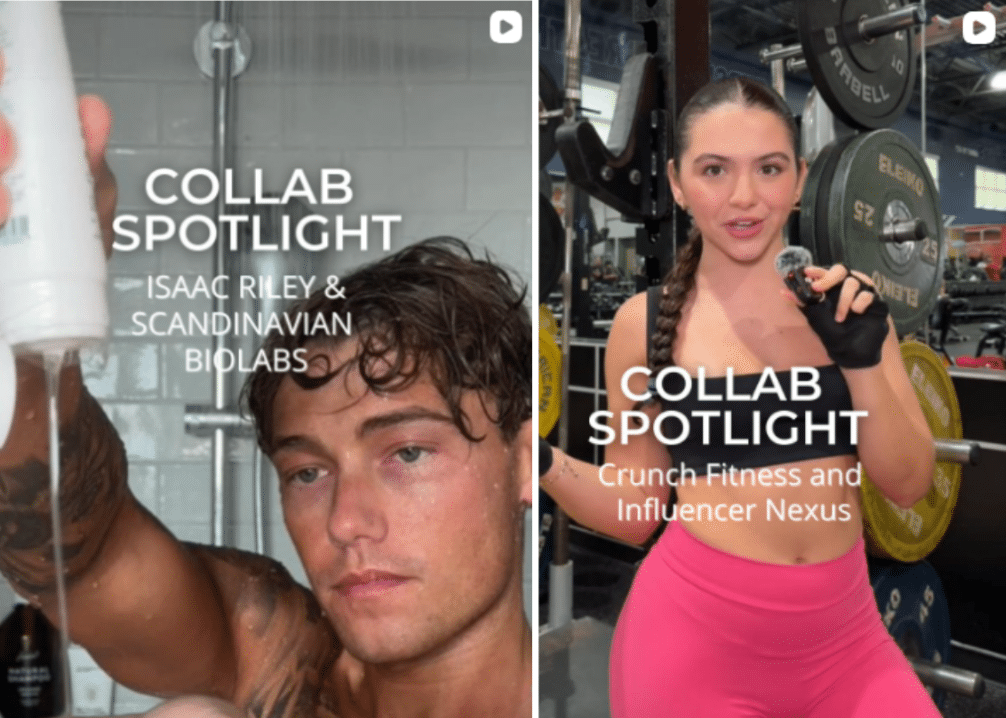
Our approach is built around authentic partnerships with creators who genuinely resonate with their communities. By prioritizing nano and micro creators, we help brands achieve higher engagement and stronger engagement rates, especially within niche, highly relevant audiences. These creator relationships are not transactional; they are intentional and designed to grow over time.
We also believe influencer marketing works best when it’s integrated, not isolated. That’s why we build multichannel strategies that allow content to live across paid, owned, and organic channels, not just disappear after a single post. Combined with SEO-optimized influencer campaigns, this helps brands grow organic reach, connect with the right US audiences, and create momentum that compounds over time.
Through our blog at Influencer Nexus, we share insights, frameworks, and real-world perspectives drawn from the campaigns we manage every day. It’s part of our commitment to transparency and education, helping brands better understand how influencer marketing works today, and what it takes to make it perform in a crowded, evolving space.
Whether you’re scaling e-commerce, building long-term brand affinity, or testing new categories, our role is to help influencer marketing work harder and smarter for your business.
If you’re curious about how these 2026 shifts could apply to your brand, we’d love to talk. No pressure, no pitches, just a conversation about what’s possible when strategy, creators, and performance are aligned.
Let’s build something real.
Talk soon!