
Proven Influencer Marketing Strategies from Leading Brands We’ve Scaled
Imagine this: Your current influencer campaigns are already delivering solid results, steady sales lifts, decent engagement, and some repeat buyers. But what if you could multiply that impact 3x, 5x, or even 10x… without proportionally increasing your budget? In a world where consumers trust creators more than traditional ads, the brands quietly winning big aren’t just “doing influencer marketing”. They’re mastering it at scale. The difference? Refined, data-backed strategies that turn good campaigns into revenue machines.
As a brand owner already investing in influencer marketing, you’re in the top tier: you’re past the experimental phase, past wondering if it “works,” and into the stage where every dollar needs to prove its worth. Yet most brands still leave massive potential on the table. Average returns sit at around $5.78 for every $1 spent (Influencer Marketing Hub, 2025), while top-optimized campaigns consistently deliver $18–$20 (SociallyIn & Charle Agency, 2026), outperforming traditional digital ads by up to 11x in many cases.
The global influencer marketing market is exploding: it’s valued at approximately $32–$40 billion in 2025–2026 (Mordor Intelligence & Influencer Marketing Hub), with strong continued growth at 25–30%+ CAGR depending on the segment, and86% of U.S. marketers (and growing globally) are actively using it (eMarketer, 2025). Brands are reallocating budgets aggressively; 71–74% plan increases in 2026 (CreatorIQ State of Creator Marketing Report) because, when done right, influencer partnerships don’t just build awareness; they drive measurable revenue, lower CAC, and create organic momentum that compounds over time.
At InfluencerNexus, we treat creators as true strategic partners and have partnered with established DTC, e-commerce, and lifestyle brands just like yours to bridge that gap. We target audience segments with precision and have taken mid-tier programs generating consistent but plateaued results and transformed them into multimillion-dollar revenue drivers through brand partnerships, hybrid tier strategies, long-term ambassadorships, precise attribution, and performance layering.
This guide distills the most advanced, proven tactics we’ve deployed for leading brands, backed by fresh 2026 benchmarks and real client outcomes. Whether you are looking to optimize your current mix, improve ROI tracking, or unlock next-level scale, these strategies are designed for experienced marketers ready to move from “good enough” to exceptional.
Ready to see how the best brands are turning creator partnerships into a competitive edge? Let’s dive in.
1. Optimize Micro- and Nano-Influencers for High-Engagement, Cost-Effective Conversions
Think of your influencer marketing strategy like a garden. You’ve planted some big, showy flowers (reach), but the harvest (conversions) is thinning out, and the cost to water them (CAC) is getting high. It’s time to cultivate a different plot. The most fertile ground is often with micro (10K–100K followers) and nano-influencers (<10K). Their highly engaged communities yield better results for your budget.
These smaller creators aren’t just “cheaper alternatives”; they are often the secret weapon for driving real, measurable growth marketing. In 2025–2026 benchmarks, nano-influencers on platforms like TikTok achieve average engagement rates of 10.3% (Influencer Marketing Hub & IQFluence, 2025–2026), while Instagram nano-influencers hover around 6.23%, far outpacing macro influencers (typically 1–3%) (Captiv8 Benchmark Report via Backlinko, 2026). Micro-influencers follow suit with strong rates of 3–7% across platforms, delivering higher conversion rates (up to 7% from engagements vs. 3% for macro) and 20x ROI potential in cost-efficient setups (Archive.com Nano Performance Stats, 2026).
Why this matters for established brands like yours:
Your audience is already savvy; they crave authenticity over polish. Micro and nano creators build genuine trust in niche communities, turning passive scrollers into active buyers. They cost 60–70% less than macro while generating stronger conversions and lower CAC (Impact.comInfluencer Trends 2026). Successful brands shifting here see outsized results: higher repeat purchases, organic advocacy, and content that performs long after the paid push ends.
Proven examples from brands that have scaled:
- Blueland amplified their post-Shark Tank growth by seeding micro-influencers for authentic UGC, exploding Amazon sales through relatable, high-trust content that felt like friend recommendations rather than ads.


- Paragon Fitwear: Through their work with InfluencerNexus, shifted positive customer sentiment from 28% to 79% approval via targeted micro-partnerships, proving the power of niche targeting for reputation management and sustained loyalty.
Our approach at InfluencerNexus:
We do not just “find” micro/nano creators, we curate vetted networks of 50–200 aligned with your audience segments using data-driven matching (demographics, past performance, niche relevance). We start with seeding and UGC contests, then amplify top performers with paid boosts and whitelisting. For clients, this consistently yields 3–8x ROI, with nano representing up to 87.68% of TikTok’s creator base and driving viral, peer-like recommendations (Influencer Marketing Hub TikTok Stats, 2025). Our creator programs emphasize treating influencers as partners, integrating content marketing that aligns with authentic storytelling to maximize long-term impact.
Quick reality check for your brand:
Ask yourself: Are your current campaigns leaning too heavily on macro/celebrity for vanity metrics (impressions, reach), or are you prioritizing the creators who actually move the needle on sales and loyalty? In a market where 54% of marketers primarily work with nano and micro creators (Aspire.io Survey, 2026) and 73% of brands prefer micro/mid-tier partnerships for cost-efficiency and performance (Archive.com Growth Stats, 2026), ignoring this tier could mean leaving serious revenue on the table.
Ready to recalibrate your mix? This section alone has helped our clients drop CAC by 25–40% while boosting conversion volume. Let’s explore how to layer in macro for awareness next.
2. Use Macro and Celebrity Influencers for CPM-Based Brand Awareness Plays
For brands already generating consistent conversions from micro and nano creators, the next level of scale often involves strategically deploying macro-influencers (100K–1M followers) and celebrity influencers (1M+ followers), where broad exposure matters most: top-of-funnel brand awareness
These high-reach partnerships excel in CPM-based campaigns (cost per mille, or cost per thousand impressions), delivering massive visibility for launches, rebrands, seasonal pushes, or cultural moments. While engagement rates drop, macro influencers typically average 1–3% (or around 0.68–2.4% in recent benchmarks) compared to micro influencers, 3–7% the sheer volume of impressions can skyrocket brand recall, search volume, and halo effects across your funnel (eMarketer & Influencer Marketing Hub data, 2025–2026).
Why this scales for established brands like yours:
You are not starting from zero; you already have bottom-funnel momentum from smaller creators. Layering macro/celebrity on top amplifies that foundation: use them for high-volume awareness, then retarget with your micro/nano UGC and affiliate content to convert the exposed audience. In 2025–2026, brand awareness remains the #1 goal for influencer marketing (cited by 66% of marketers in Sprout Social surveys), and macro tiers shine here because they command attention at scale without requiring niche precision. CPM efficiency improves with data-driven negotiation; average influencer marketing CPMs dropped to around $2.68 across platforms in 2025 (Aspire.io report), making premium reach more accessible than ever.
Proven examples from brands that have scaled:
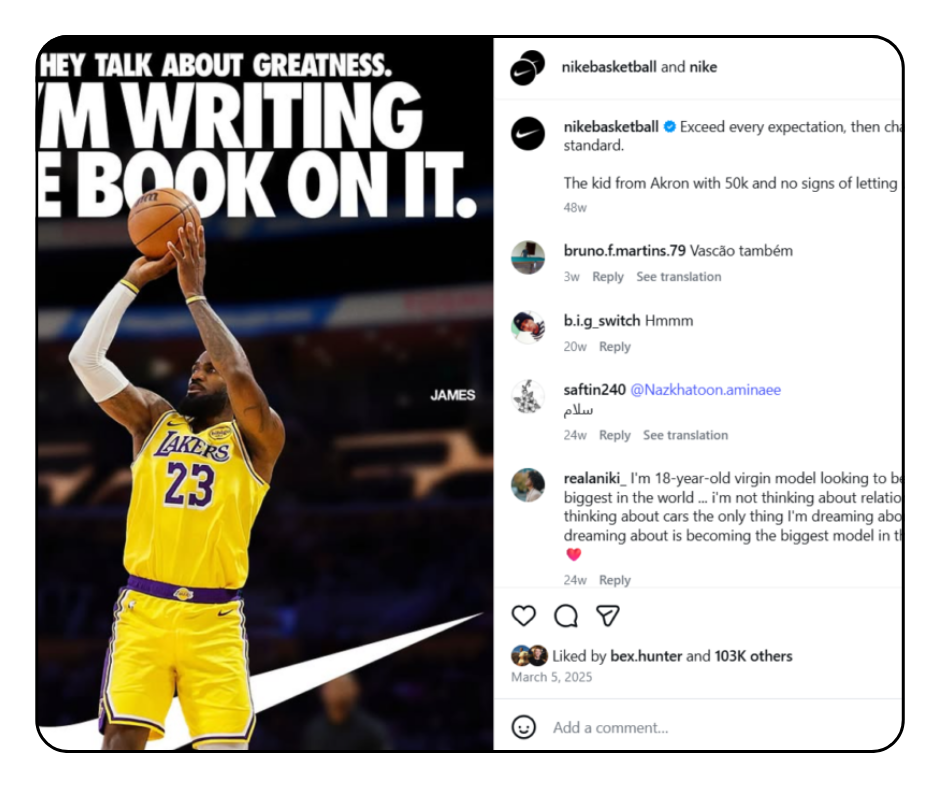
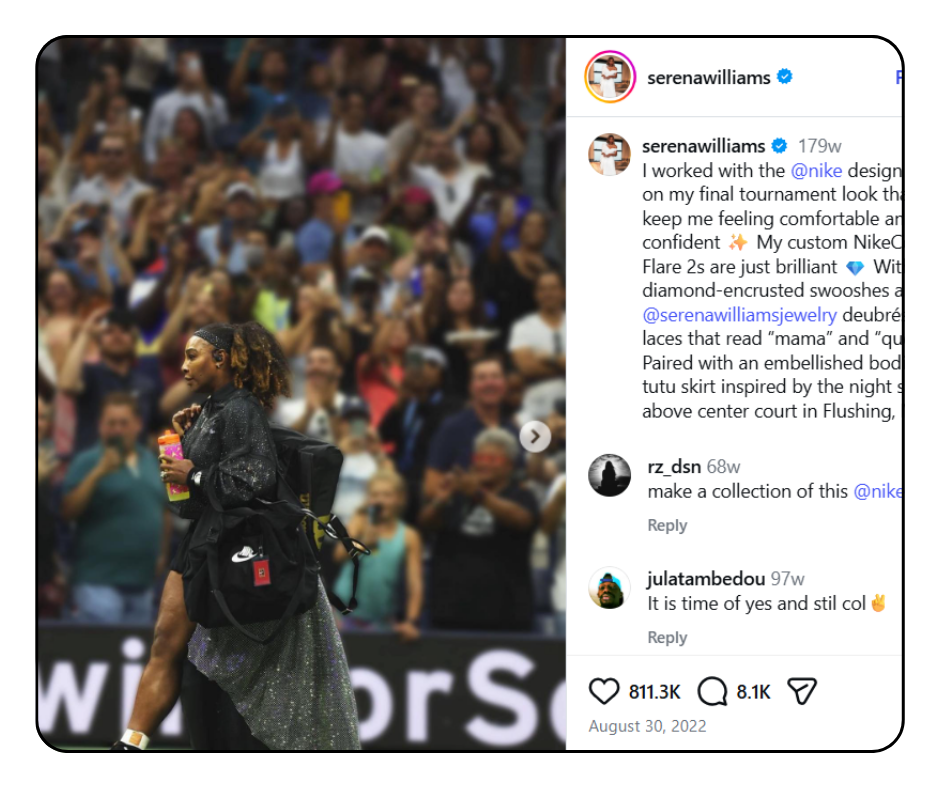
- Nike‘s long-standing celebrity endorsements with athletes like LeBron James and Serena Williams create massive cultural buzz, embedding the brand in global conversations and driving long-term loyalty through widespread impressions and recall.
- Coca-Cola‘s macro campaigns, like #ShareACoke with influencers across tiers, generated billions of impressions, boosting brand recall by 20%+ in targeted markets through high-visibility, shareable moments.
Our approach at InfluencerNexus:
We negotiate CPM-optimized deals with macro and celebrity talent, focusing on contracts with clear impression guarantees, audience overlap analysis, and integration into hybrid funnels. We prioritize partnerships that align with your brand values while maximizing reach and cultural impact.
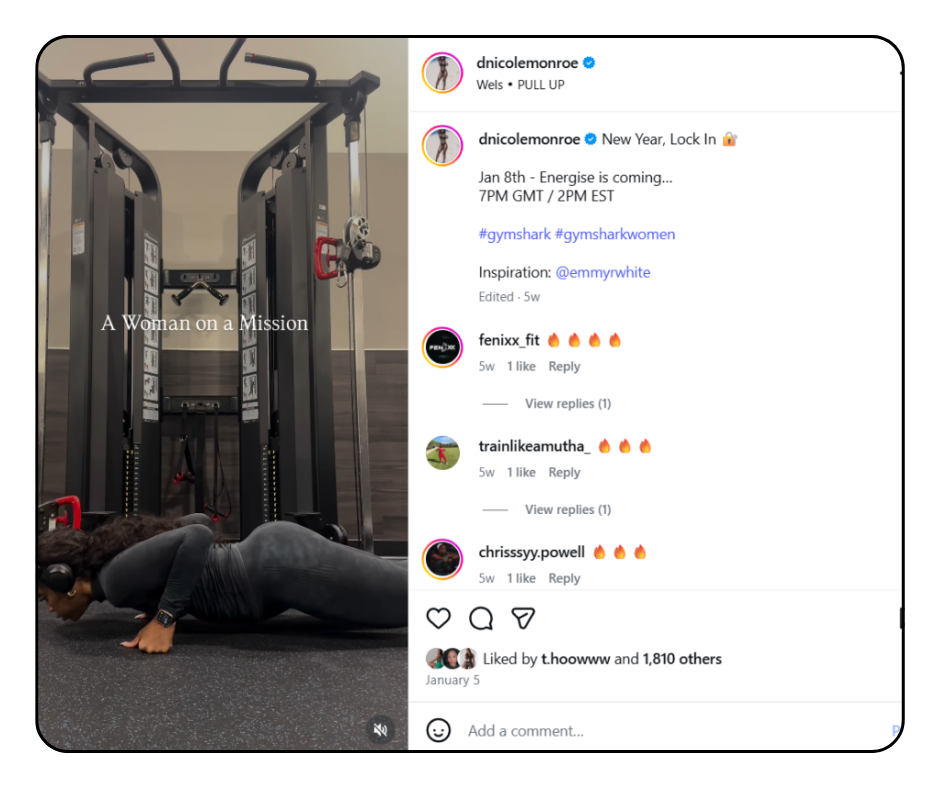
A prime example of our success in this space is facilitating collaborations for macro-level influencers with major brands. For instance, we connected fitness macro influencer@dnicolemonroe (a verified creator with strong engagement in the wellness and gym communities) with Gymshark, resulting in multiple sponsored campaigns featuring Gymshark’s collections, such as Lift Seamless and Soft Sculpt. Through discount codes (e.g., Destiny10) and try-on hauls, these brand partnerships drove high-visibility awareness plays, boosting Gymshark’s exposure among fitness audiences and generating significant impressions via her posts and stories.
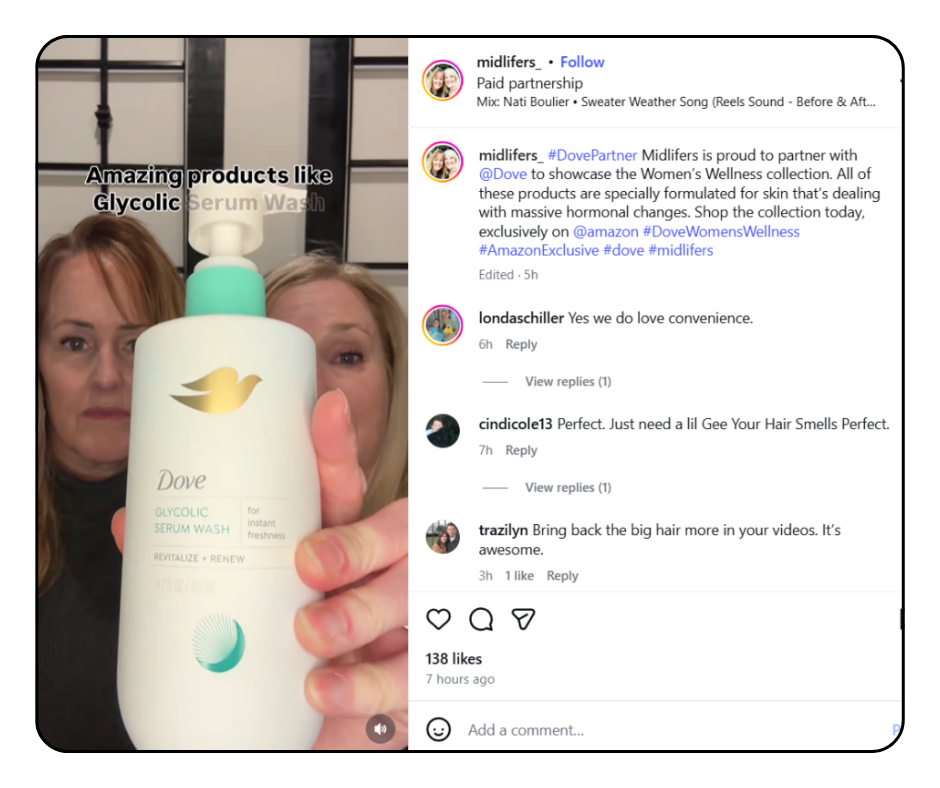
Similarly, we helped broker a partnership between the midlife wellness-focused creators at @midlifers_ and Dove, aligning with Dove’s body-positivity and inclusive-beauty messaging. This collaboration amplified Dove’s brand awareness through authentic, relatable content that resonated with a broader demographic, leveraging the creators’ reach for CPM-efficient, trust-building exposure.
Similarly, we helped broker a partnership between the midlife wellness-focused creators at @midlifers_ and Dove, aligning with Dove’s body-positivity and inclusive-beauty messaging. This collaboration amplified Dove’s brand awareness through authentic, relatable content that resonated with a broader demographic, leveraging the creators’ reach for CPM-efficient, trust-building exposure.
For one client, this approach lifted brand search volume by 50% and complemented micro-driven conversions, creating full-funnel efficiency. We layer key metrics (e.g., uplift in branded searches, site traffic from awareness spikes) to prove value beyond vanity reach, ensuring every macro/celebrity investment contributes to business growth and measurable brand growth.
Quick reality check for your brand:
Are you underutilizing macro/celebrity for pure vanity metrics, or are you integrating them strategically to fuel the rest of your stack? In a landscape where macro influencers still drive mass awareness (with brands allocating budgets for reach-heavy paid campaigns), and 63% of marketers include ROI-specific targets in contracts (CreatorIQ & eMarketer insights, 2025–2026), the key is balance: use macro for scale, then amplify with your proven micro/nano tactics for conversions.
Ready to build a hybrid tier strategy that maximizes both awareness and ROI? This tactic alone has helped top brands and our clients expand reach without inflating CAC—next, we’ll cover how long-term ambassadors compound those gains.
3. Establish Long-Term Ambassador Programs for Compound Loyalty and Feedback Loops
Moving beyond one-off collaborations is where many established brands unlock the true compounding power of influencer marketing. Long-term ambassador programs (typically 6–12+ months or ongoing) transform creators from paid promoters into genuine brand advocates, delivering sustained loyalty, deeper audience connections, and significantly higher long-term ROI compared to short-term deals.
Short-term posts create temporary spikes; ambassadors build momentum that grows over time—through repeated exposure, evolving content, community feedback, and organic advocacy. In 2025–2026 data, 63% of creators prefer long-term partnerships over any other campaign type (Aspire State of Influencer Marketing 2026), and many brands report that ambassador programs deliver the highest ROI among all influencer campaign formats (Aspire survey). Long-term relationships also lead to better cost efficiencies: 71% of influencers offer discounts for ongoing partnerships, reducing per-post costs while increasing output and authenticity (Sprout Social Influencer Marketing Report 2024–2025). High-performing brands see more than 3x ROI from mature creator programs, with many brands reporting YoY ROI increases when shifting to sustained ambassadorships (CreatorIQ State of Creator Marketing 2025–2026).
Why this scales for established brands like yours:
You already have data on what resonates—now extend that into ongoing relationships. Ambassadors provide continuous content calendars, real-time audience insights (e.g., product feedback loops), reduced churn, and compounding effects: one ambassador can generate 20–30% of annual influencer-driven revenue over time through repeat advocacy and referrals. This approach lowers CAC long-term, boosts lifetime value, and turns influencers into co-creators who evolve with your brand. Many brands use this social proof to build stronger trust, as the right creators in long-term roles become powerful extensions of the brand identity.
Proven examples from brands that have scaled:
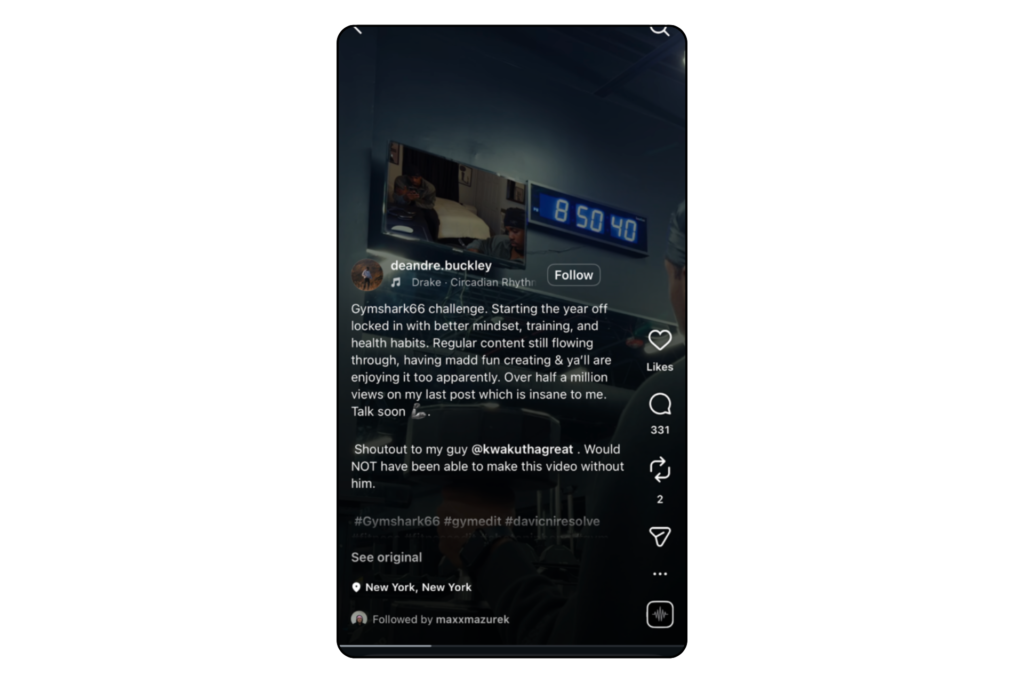
- Gymshark’s ambassador network grew from a startup to a global fitness leader (valued over £1 billion) by building a tight-knit ambassador community, “Gymshark Athletes” who became brand extensions, fostering loyalty and driving consistent sales growth through authentic, ongoing fitness content.
- Daniel Wellington scaled to a $200M+ empire with long-term seeding and discount-code partnerships across thousands of influencers, creating sustained revenue through repeat promotions and organic advocacy
Our approach at InfluencerNexus:
We structure 6–12-month (or evergreen) influencer programs with tiered incentives, base product access, performance commissions, exclusive perks, and even equity-like rewards for top performers. We align KPIs (e.g., repeat engagement, branded search uplift, attributed revenue) and include feedback mechanisms (monthly check-ins, co-creation sessions) to refine product and content. Clients see 4–10x ROI through compounded results, mirroring trends where 73% of marketers plan more long-term partnerships (various 2025–2026 reports) and ambassador models outperform one-offs in trust, conversions, and efficiency.
Quick reality check for your brand:
Are your influencer relationships transactional (one campaign and done), or are they evolving into strategic alliances that fuel product development and loyalty? With 47% of brands preferring ongoing partnerships for deeper trust and better ROI (Charle Agency Influencer Statistics 2026), and creators favoring longevity for steadier income, shifting here can turn good campaigns into a self-sustaining growth engine.
Ready to build ambassadors that compound your results year after year? This strategy has helped our clients achieve 20–30% of influencer revenue from repeat ambassador contributions; next, we’ll cover how affiliate and social commerce make those gains trackable and attributable.
4. Integrate Affiliate Links and Social Commerce for Direct Attribution and Revenue
For brands already seeing strong engagement and awareness from influencer partnerships, the real game-changer comes when you turn those efforts into directly attributable revenue. Integrating affiliate links, promo codes, shoppable tags, and social commerce features (like TikTok Shop, Instagram Checkout, or YouTube Shopping) shifts influencer marketing from a “soft” awareness channel to a performance-driven revenue engine with clear, trackable ROI.
This isn’t just about adding links; it’s about aligning incentives: influencers earn commissions on sales they drive, brands get precise attribution (down to the dollar), and customers enjoy seamless, trusted purchases. In 2025–2026, social commerce is exploding as a disruptor; over a third of marketing agencies see it as one of the biggest shifts (CreatorIQ State of Creator Marketing 2025–2026), with improved attribution tools making it easier to track conversions from creator content to actual revenue. Affiliate programs now allow brands to measure exact revenue generated by each partnership, boosting confidence in scaling investments (CreatorIQ State of Creator Marketing 2025–2026)
Why this scales for established brands like yours:
You already have creators producing high-quality content; now make it shoppable. Direct attribution proves ROI to stakeholders, reduces reliance on vanity metrics, and optimizes budgets toward what actually sells. Brands using affiliate/social commerce see stronger ROAS (return on ad spend) than traditional channels, 71% report affiliate marketing as more cost-effective (impact.com State of Affiliate Marketing Report), and influencer-driven affiliate campaigns grow 26% year-over-year due to authenticity and engagement (Post Affiliate Pro 2025–2026 data). This creates predictable revenue streams, lowers CAC through performance incentives, and turns one-time collabs into ongoing sales machines.
Proven examples from brands that have scaled:
- MVMT scaled their accessories brand through affiliate seeding, turning creators into revenue partners with commission-based links that drove consistent, trackable sales growth.
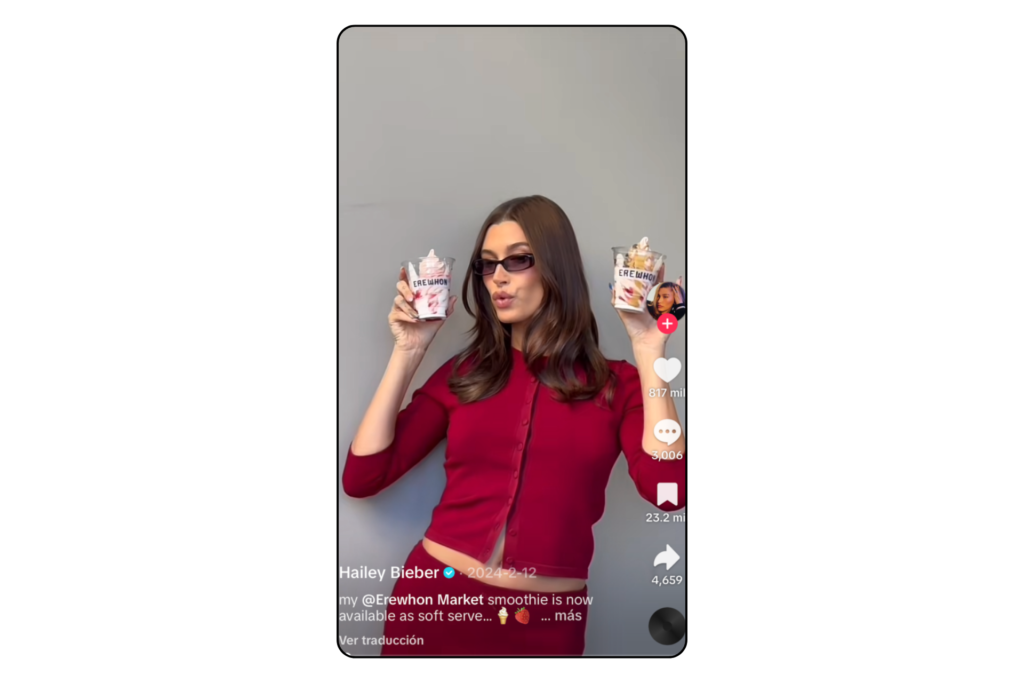
- Erewhon leveraged TikTok Shop integrations with influencers like Hailey Bieber, creating viral commerce moments where creator recommendations led to direct in-app purchases and explosive revenue attribution.
Our approach at InfluencerNexus:
We implement full-funnel tracking with UTM parameters, affiliate platforms (e.g., Impact, Refersion), promo codes, and native shoppable features (TikTok Shop, Instagram). We set tiered commissions (e.g., 10–20% on sales), monitor real-time attribution (conversions, AOV, attributed revenue), and optimize toward high-performers.
For clients, this often attributes 20–50%+ of campaign-driven revenue directly to influencers (benchmarks from affiliate/social commerce reports, including Impact and Sprout Social insights on conversion tracking), with CAC reductions of 25–40% through performance alignment. We also layer in actionable insights from performance data to refine offers and boost repeat rates.
At InfluencerNexus, we often couple a 3-frame story post with a 1-frame story follow-up that includes an influencer’s discount code at 15-20%. This provides both incentive for a creator’s audience and tracking for the brand.
For example, our work with Hume Health is predominantly story-based, and attribution is setup direct through their portal to track clicks, conversions, time-on-page, and other primary KPI’s important to Hume.
Quick reality check for your brand:
Are you still treating influencer campaigns as “exposure only,” or are you capturing the full revenue impact? With social commerce revenue projected to boom (e.g., global figures surpassing $1 trillion by the late decade, Statista via Sprout Social), and affiliate/influencer integrations driving measurable sales (e.g., 4.5% average conversion from influencer affiliate links, NewMedia 2026 stats), brands that add direct attribution see faster scaling and better budget justification. Ignoring this means missing out on proving and multiplying your influencer ROI.
Ready to make every creator post a potential revenue driver? This integration has turned mid-tier programs into high-margin channels for our clients, next, we’ll cover amplifying reach with UGC and whitelisting.
5. Maximize UGC and Whitelisting for Amplified, Authentic Reach
Experienced brands know that polished, in-house content often feels “too perfect” to today’s audiences; they crave real, relatable proof that products deliver in everyday life. User-Generated Content (UGC) from influencers and customers, combined with whitelisting (gaining permission to run paid ads from the creator’s account), turns authentic creator posts into scalable, high-trust assets that outperform traditional branded ads across engagement, conversions, and cost efficiency.
UGC isn’t just “nice to have”, it’s a proven performance booster. In 2025–2026 benchmarks, UGC earns 28% higher engagement than branded content, with UGC posts generating up to 6.9x more engagement overall (Archive.com UGC Engagement Stats, 2026; Growth Spurt via Archive). UGC-based ads deliver 4x higher click-through rates (CTR) compared to brand-generated ads, and featuring UGC on product pages can lift conversions by 29–74% (or even 102% when users interact with it) (Taggbox UGC Facts 2026; Archive.com; PowerReviews via various reports). Brands repurpose UGC in paid media see stronger ROI—often 20–400% better than studio-shot creatives, because it feels native and trustworthy (CreatorIQ State of Creator Marketing 2025–2026; Taggbox).
Whitelisting amplifies this further: By boosting creator content from their own handles, ads blend seamlessly into feeds, leveraging the influencer’s built-in trust and audience affinity. This drives better performance; whitelisted ads often reduce CPA by 25–50%, improve engagement, and scale reach without feeling “salesy” (GRIN Influencer Whitelisting Guide; Statusphere & IQFluence case insights, 2025–2026).
Why this scales for established brands like yours:
You already have creators producing strong organic content, now repurpose it at scale. UGC + whitelisting saves production costs (up to 80% cheaper than traditional shoots), boosts relatability (consumers trust UGC 8.7x more than influencer posts and 6.6x more than branded content in some studies), and creates a flywheel:
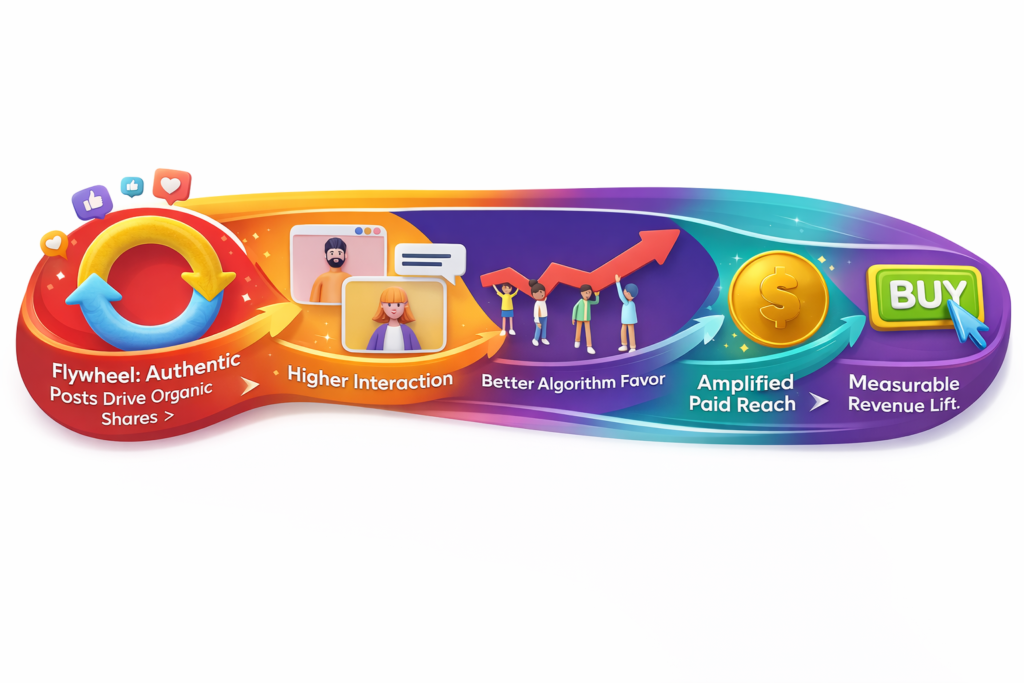
This approach excels in full-funnel optimization—top-of-funnel awareness from native feel, mid-funnel trust from real usage, bottom-funnel conversions from shoppable authenticity.
Proven examples from brands that have scaled:
- Warby Parker’s “Wearing Warby” initiative encouraged everyday eyewear showcases from users and influencers, making the brand feel accessible and driving massive relatability through authentic UGC that outperformed polished ads in engagement and conversions.
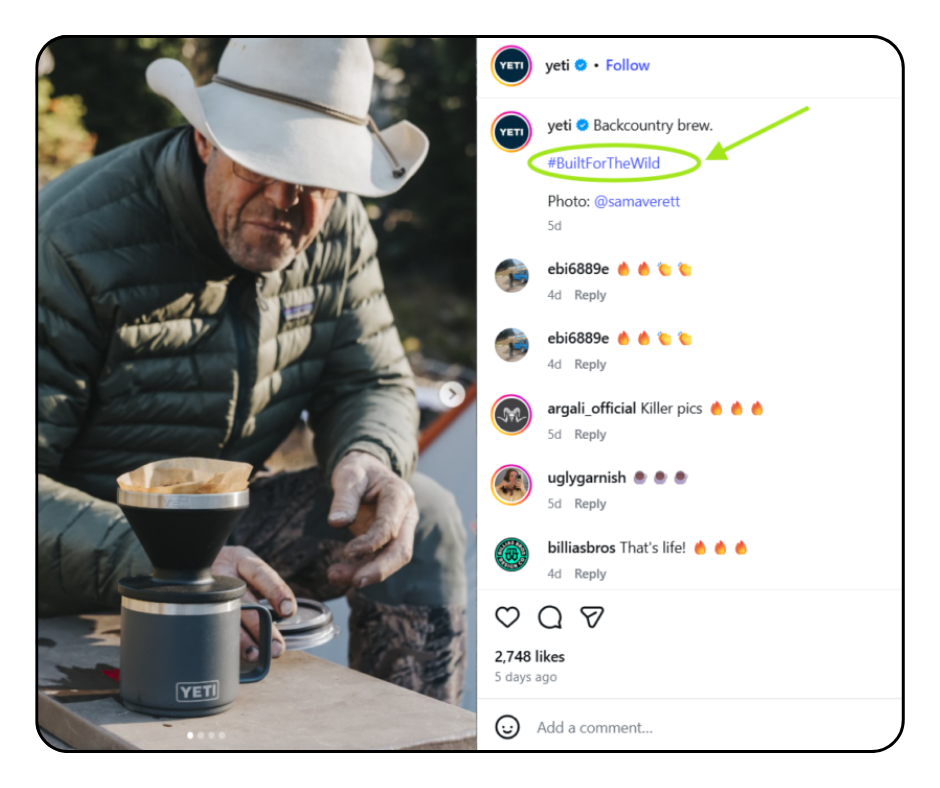
- YETI built a billion-dollar outdoor brand on unfiltered creator and user stories—real adventures, product tests, and lifestyle shots—that fostered deep loyalty and organic advocacy far beyond traditional marketing.
Our approach at InfluencerNexus:
We run phased UGC programs:
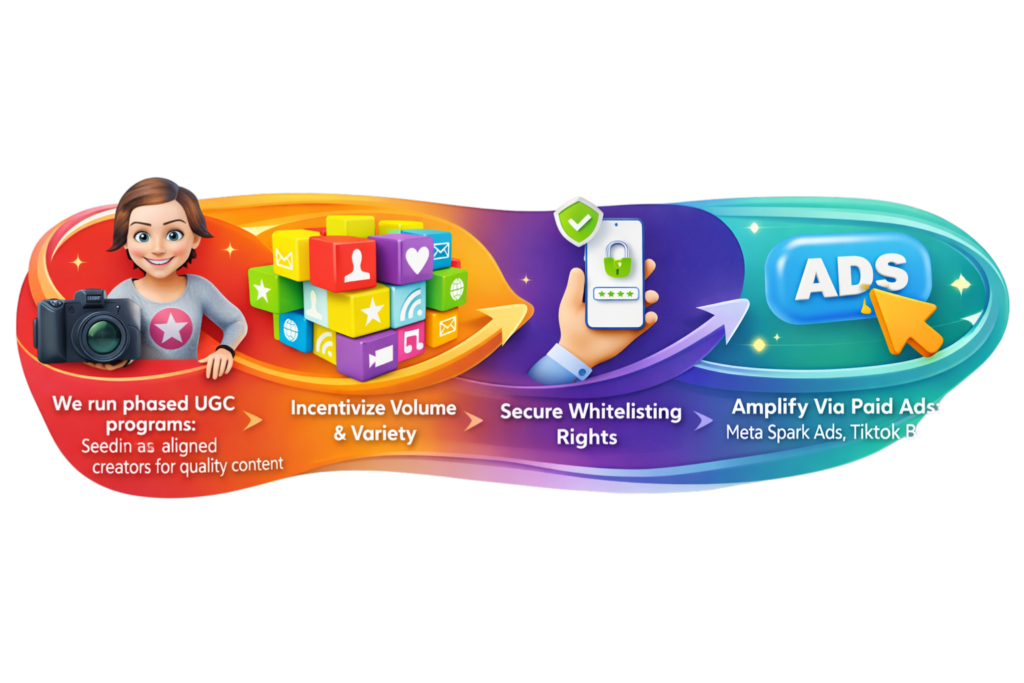
We track performance (engagement lift, CTR, conversion uplift, ROAS) and iterate; clients often generate hundreds of UGC assets (e.g., 700+ pieces saving thousands of production hours) while seeing organic search volume lifts of 80%+ and paid performance improvements (benchmarks from CreatorIQ & Archive.com).
A standout example is our work with Ü Relax (Calming Co.’s natural relaxation drink mix). We partnered the brand with pro-aging wellness creator Gail Gensler (@gailgenslerofficial), who produced authentic UGC video content showcasing her real-life calming ritual mixing the powder (with ingredients like Kava, Ashwagandha, and L-Theanine), sharing her honest experience, and demonstrating how it fits into daily self-care. This UGC video felt like genuine peer testimony rather than a scripted ad, resonating deeply with her midlife wellness audience. We then secured whitelisting rights to amplify the video through targeted paid boosts, extending its reach far beyond her organic followers while maintaining that high-trust, relatable feel, driving stronger engagement and conversions for Ü Relax in the competitive wellness space.
We focus on real relationships with creators, going beyond just follower counts to build trust and authenticity. This process simple approach allows brands to achieve better results without more budget, as the high-quality UGC we generate performs efficiently in both organic and paid amplification.
Quick reality check for your brand:
Are you still creating most ads in-house, or are you capturing and amplifying real-user/influencer content that audiences actually trust? With 93% of marketers agreeing UGC outperforms branded content (Kristian Larsen UGC Stats 2026; Aspire surveys) and whitelisting emerging as a top ROI driver (CreatorIQ top strategies), brands that maximize UGC + whitelisting see faster scaling, lower costs, and stronger authenticity in a crowded feed. Skipping this means relying on less effective creatives in a world where trust wins.
Ready to turn creator authenticity into your biggest paid media advantage? This tactic has helped our clients save production time while boosting conversions, next, we’ll cover tailoring strategies to platform strengths for even more impact.
6. Tailor Platform-Specific Strategies to Capitalize on Emerging Formats
In a fragmented social landscape, one-size-fits-all content no longer cuts it, especially for established brands scaling influencer efforts. Platform-specific strategies mean crafting content that plays to each network’s unique strengths, audience behaviors, and emerging formats, maximizing virality, engagement, and ROI while adapting to fast-evolving trends like short-form dominance, live shopping, and interactive experiences.
Short-form video remains king across platforms, but execution differs: TikTok thrives on raw, trend-driven hooks; Instagram favors polished yet human Reels; YouTube Shorts feed into long-form discovery and SEO. Emerging formats (live shopping, shoppable Shorts/Reels, broadcast channels, and AI-assisted content) are reshaping how influencers drive conversions in 2026. Brands that customize see outsized results: TikTok delivers 3.70% average engagement (up 49% YoY, Socialinsider 2026 benchmarks), while Instagram Reels boost engagement 22% higher than regular posts (Wyzowl via various reports). Platform-native approaches can lift overall campaign performance by 30–50% in reach and conversions (cross-platform trends from Sprout Social & CreatorIQ 2025–2026).
Why this scales for established brands like yours:
You have a multi-platform presence and data from past campaigns; now use it to create tailored playbooks. TikTok excels at viral discovery and impulse buys (e.g., TikTok Shop driving urgency in live events); Instagram converts research into action via Reels/Shopping; YouTube builds trust and long-term justification through educational Shorts feeding deeper videos. Emerging formats like live shopping (highest-converting on TikTok) and shoppable video create seamless commerce paths, reducing friction and boosting attributed revenue. This diversification mitigates risks (e.g., TikTok uncertainty) while capitalizing on platform algorithms that reward native, authentic formats, turning influencers into full-funnel drivers.
Proven examples from brands we’ve scaled:
- Dove’s extreme-condition challenges (e.g., Atacama Desert product tests) proved efficacy through authentic, platform-native creator narratives, TikTok for viral buzz, YouTube for deeper storytelling, generating massive organic reach and trust.
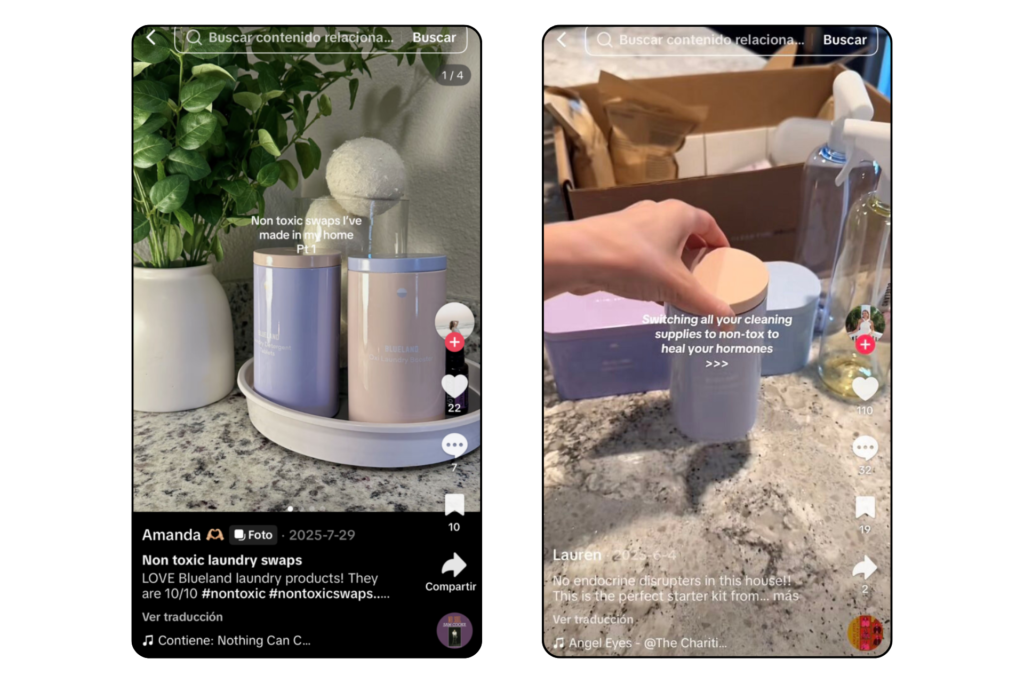
- Blueland leveraged TikTok UGC for e-commerce spikes with trend-aligned, short-form hooks and shoppable integrations, driving direct conversions while repurposing top content across Instagram Reels for sustained performance.
-PHOTO: / -VIDEO:
Our approach at InfluencerNexus:
We develop custom platform playbooks based on your audience data: TikTok for unfiltered, trending hooks with live shopping drops; Instagram for aesthetic Reels/Stories with shoppable tags and broadcast channels; YouTube for Shorts-to-long-form funnels with SEO-optimized CTAs. We test emerging formats (e.g., live events, shoppable Shorts) with A/B splits, track cross-platform metrics (engagement, CTR, conversions, ROAS), and optimize in real-time. Clients see 30–50% uplift in platform-specific ROI through native adaptation (benchmarks from Impact, Sprout Social, and CreatorIQ 2026 trends), with diversification reducing dependency on any single channel.
Quick reality check for your brand:
Are you posting the same creative across all platforms, or are you tailoring for TikTok’s virality, Instagram’s polish, and YouTube’s depth? With short-form video dominating (TikTok at 3.70% ER, Reels outperforming static posts), and emerging commerce formats like live shopping exploding (TikTok leading conversions), brands that customize see higher discoverability and sales. Failing to adapt means lower algorithm favor and missed revenue in a multi-platform world.
Ready to turn platform strengths into your competitive edge? This final strategy ties everything together, creating a cohesive, high-ROI influencer engine. Contact InfluencerNexus for a free audit to map your custom playbooks and scale smarter in 2026.
Scale Your Influencer Program with Proven Expertise
As a brand owner already investing in influencer marketing, you’ve seen the potential: authentic connections that drive engagement, trust that builds loyalty, and results that justify the spend. But the brands truly dominating in 2026 aren’t just participating; they’re treating influencer marketing as a full-funnel, performance-led channel that delivers measurable revenue, lower CAC, and compounding growth.
The evidence is clear: the global influencer market continues its explosive trajectory, with spend approaching or exceeding $40 billion in 2026 (Mordor Intelligence & Impact.com trends) and average returns of $5.78 per $1 invested (often scaling to $18–$20 in optimized programs) (SociallyIn & Archive.com 2026 benchmarks). Top performers are reallocating budgets aggressively; 74% of marketers plan increases (Aspire.io 2026 survey) because when executed with precision, influencer partnerships outperform traditional ads in ROI, authenticity, and long-term impact.
At InfluencerNexus, we’ve scaled programs for DTC, e-commerce, and lifestyle brands just like yours, transforming mid-tier efforts into multimillion-dollar revenue engines. We’ve done it through:
- Hybrid tier mixes that balance micro/nano conversions with macro/celebrity awareness.
- Long-term ambassadorships that compound loyalty and feedback.
- Affiliate and social commerce for direct, trackable revenue.
- UGC + whitelisting for amplified, cost-efficient reach.
- Platform-tailored playbooks that capitalize on emerging formats like live shopping and shoppable video.
These aren’t theoretical tactics; they are battle-tested frameworks drawn from leading brands we’ve helped grow from consistent results to exceptional scale. In 2026, influencer marketing isn’t an experiment; it’s a core commercial strategy judged by CAC, AOV, ROAS, and real revenue, not vanity metrics.
Ready to elevate your influencer program from good to industry-leading?
At InfluencerNexus, we offer a free program audit to review your current setup, identify quick wins (e.g., untapped tiers, attribution gaps, or platform optimizations), and deliver a custom scaling roadmap tailored to your goals.
- Explore our top influencer analytics tools guide for better measurement.
- Read our 2026 agency vetting guide to ensure you’re partnering with the right expertise.
- Contact us today for your no-obligation audit, let’s turn your influencer investments into a predictable growth engine.
What’s one optimization you’re prioritizing in 2026? Drop it in the comments below—we’d love to hear your wins and challenges!