
How to Build a High-Performing Influencer Campaign from Scratch: 2026 Guide
Key Takeaways
- Start with specific business outcomes tied to revenue, not vague “awareness” goals, and map influencer activity directly to your marketing funnel stages.
- Choose creators based on audience fit, engagement quality, and brand alignment rather than follower count; nano influencers and micro influencers often outperform mega influencers on conversion metrics.
- Build campaigns as integrated programs with paid media amplification from day one, not isolated organic experiments that plateau after 48 hours.
- Measure impact through proper attribution—unique tracking links, creator-specific codes, post-purchase surveys—to prove influencer marketing roi to leadership.
- This guide is designed for brands that have already tested influencer marketing and now want to scale into a high-performing, always-on program in 2026.
Why 2026 Demands a Different Influencer Playbook
The influencer marketing industry will surpass $35 billion globally by 2026, according to Statista projections. Yet simply sending products to social media influencers no longer delivers competitive ROI. The brands capturing market share have moved beyond transactional sponsored posts into strategic creator partnerships that function as genuine growth engines.
If you’ve already run a few influencer campaigns, perhaps a TikTok launch that generated buzz but unclear sales, or Instagram giveaways that spiked engagement, then vanished, you understand the gap between activity and results. Leadership wants predictable performance. Finance demands board-level reporting. Your competitors are building sophisticated influencer marketing programs, while one-off collaborations leave you guessing.
The contrast between old tactics and 2026 expectations is stark. Vanity metrics like follower count and raw likes no longer satisfy experienced marketers. Today’s winning campaigns feature multi-touch journeys, creator-led storytelling that builds brand credibility, UGC repurposing across marketing channels, and paid amplification that extends organic reach. The shift reflects industry maturation; influencer marketing has become more structured, more performance-driven, and more tightly integrated across paid media and commerce.
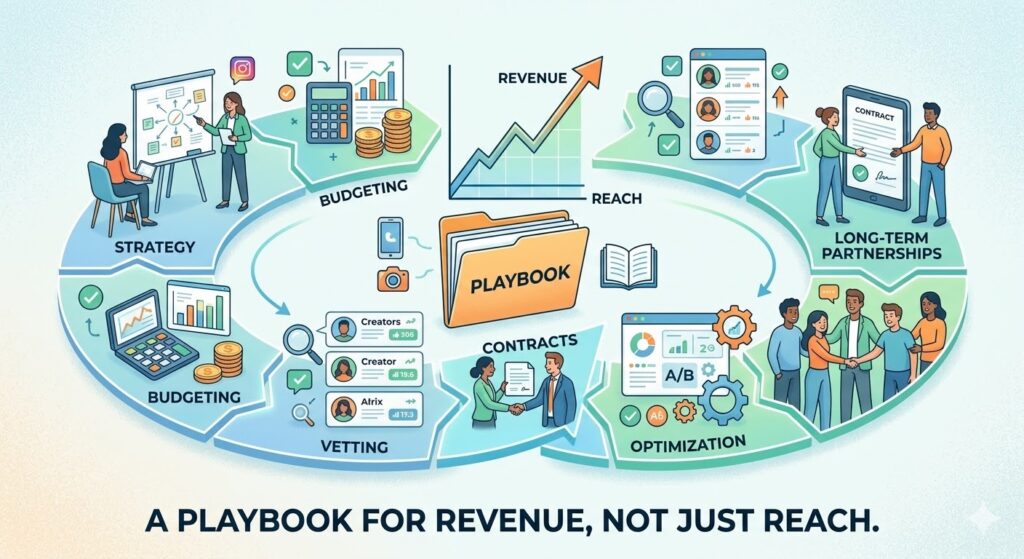
Below you’ll see a visual of the guide that walks you step-by-step from strategy and budgeting through vetting, contracts, optimization, and long-term partnerships. By the end, you’ll have a complete playbook for building an effective influencer marketing strategy that delivers revenue, not just reach.
At InfluencerNexus, we specialize in building high-performing, funnel-based influencer campaigns for brands ready to scale beyond ad hoc collaborations. Our approach combines AI-powered influencer audits with human storytelling judgment, not just “influencer lists.” The result: crucial campaigns that disrupt market share with measurable results.
Step 1: Clarify Business Outcomes and Campaign Role in Your Funnel
Every high-performing influencer campaign starts with precise objectives, not aspirational statements, but specific business outcomes with measurable targets and timelines.
The most common reason influencer campaigns underperform stems from misalignment between brand expectations and the creator’s understanding. Vague goals like “increase brand awareness” or “drive engagement” provide no framework for measuring success or optimizing execution. Brands that have worked with influencers before know this frustration: impressive-looking metrics that don’t translate to business impact.
Moving from vague to specific requires the SMART framework. Instead of “more awareness,” define concrete targets: “Increase new-customer revenue from TikTok-driven traffic by 20% in Q3 2026” or “Generate 50 qualified leads from influencer-driven traffic by March 31, 2026.”
Common influencer campaign types and their strategic purposes:
- Product launch sprints: Concentrated creator activity around new releases, generating immediate buzz and first-mover adoption
- Evergreen acquisition: Ongoing creator content that consistently drives new customers through search and social discovery
- Retention and loyalty storytelling: Deepening relationships with existing customers through authentic brand narratives
- Category education: Establishing authority and teaching your target audience why your solution matters
- Market-share capture: Aggressive positioning against incumbents using competitive messaging
Aligning goals with funnel stages: Select one primary KPI and two to three secondary KPIs for each campaign. For example, a DTC beauty brand aiming to reduce blended CAC by 15% using creator-led content as paid assets might set:
- Primary: Cost per new customer from influencer-attributed traffic
- Secondary: Click-through rate, content saves, branded search lift
Document these goals in a simple one-page “campaign charter” to share internally and with influencers. This transparency builds trust and establishes realistic expectations from day one.
Step 2: Build a 2026-Ready Budget and Influencer Mix
Budget planning for brands with prior influencer marketing experience differs significantly from first-time experiments. You’ve already learned that tiny budgets produce scattered data, not actionable insights.
Typical quarterly budgets by brand maturity:
Sample allocation model for a $100K quarterly budget:
- 50% creator fees ($50K)
- 20% paid amplification of creator content ($20K)
- 15% production and UGC editing ($15K)
- 10% tools and analytics ($10K)
- 5% contingency and testing ($5K)
2026 tier mix recommendations:
The right influencers aren’t necessarily the biggest. Experienced brands understand that audience alignment, engagement metrics, and brand fit matter substantially more than raw follower numbers.
- 40–60% nano influencers and micro influencers: These creators drive engagement and conversion through genuine audience relationships and niche communities
- 20–40% mid-tier and macro influencers: Efficient reach expansion while maintaining authenticity
- 10–20% hero or mega influencers: Major tentpoles and brand awareness campaigns when budget allows
Rough 2026 pricing guidance per tier:
These ranges vary significantly based on engagement rate, vertical, usage rights, and whitelisting permissions. B2B influencer rates in specialized verticals often command premiums despite smaller followings.
Performance-based structures, affiliate partnerships, tiered commission, and bonus triggers are more accepted in 2026, especially with micro influencers. Blend these with flat fees to align incentives while ensuring creator commitment.
Create two budget tracks: “core” creators on retainers for consistent output, and “experimental” creators for testing new audiences, platforms, or formats.
Step 3: Choose the Right Platforms and Campaign Architecture for 2026
Platform strategy in 2026 demands specialization, not presence everywhere. Each social media platform serves different funnel stages and audience behaviors.
Platform roles in a high-performing funnel:
- TikTok: Discovery engine and trend-based storytelling; ideal for reaching new audiences and viral potential through the creator economy
- Instagram Reels/Stories: Social proof, product validation, and daily engagement; Reels now outperform feed posts in algorithmic priority
- YouTube: In-depth education, product reviews, and high-intent traffic; longer content builds trust and drives purchase decisions
- LinkedIn: B2B influencer marketing, prosumer categories, thought leadership, and professional audience engagement
- Emerging channels: TikTok Shop for creator commerce, Threads for professional discussion, Twitch for gaming and live engagement
Recommended platform combinations:
Brands with prior influencer experience should focus on two to three core platforms rather than diluting effort across every channel:
- Beauty/Fashion: TikTok + Instagram
- Consumer Tech: YouTube + TikTok
- B2B SaaS: LinkedIn + YouTube
- CPG/Food: TikTok + Instagram + Pinterest
2026 campaign architecture framework:
- Teaser phase: Creator hints, waitlist promotions, behind-the-scenes content building anticipation
- Launch phase: Hero content from your most valuable partners, plus a UGC swarm from nano and micro creators
- Sustain phase: Retargeting with creator assets, evergreen reviews, and ongoing brand visibility
- Community phase: Ambassador programs, creator-led series, long-term creator partnerships
Maximize content ROI by reusing creator assets across multiple platforms and brand channels: paid social ads, email flows, landing pages, product detail pages, and even retail displays.
A CPG brand turned creator TikToks into Meta whitelisted ads and cut CPCs by 30%, demonstrating how influencer content outperforms traditional advertising creative when amplified strategically.
InfluencerNexus designs platform-specific content strategies and paid media overlays as part of end-to-end campaign builds, ensuring influencer marketing works across your entire marketing ecosystem.
Step 4: Advanced Creator Discovery and Vetting in 2026
Finding the right influencers requires investment in market research beyond scrolling through follower counts. The discovery process combines manual tactics with technology, always emphasizing deep vetting over surface metrics.
Manual discovery tactics:
- Hashtag and sound searches on TikTok and Instagram to find creators already discussing relevant topics
- Exploring the comment sections of competitor posts to identify engaged community members
- Using TikTok and YouTube search like a modern SEO engine—type product categories and see who appears
- Finding customers who already create content about your brand organically (your best potential brand partners)
- Reviewing which other brands in adjacent categories are working with
Technology layers:
Contact influencers at scale using influencer discovery platforms, but always cross-check with manual review. Social listening tools reveal creators discussing your category even without mentioning your brand directly.
2026 vetting criteria checklist: Fraud detection signals:
- Sudden follower spikes without corresponding content virality
- Erratic engagement patterns (posts alternating between 5% and 0.2% engagement)
- Spammy comment profiles (generic praise, irrelevant emojis, bot-like patterns)
- Mismatched audience geos vs. claimed market (e.g., “US lifestyle creator” with 80% followers in unexpected regions)
Create an internal “Creator Scorecard” template scoring six to eight dimensions on a 1–5 scale: brand fit, audience fit, performance history, creative strength, reliability, cross-platform presence, and past campaign quality.
Below you’ll see a visual of the Hybrid Team Model, designed to transform influencer marketing from an experimental effort into a predictable growth engine for 2026.
InfluencerNexus runs influencer audits and fraud checks as a standard step, combining AI-based screening with human review to protect brand safety and ensure both the brand and creator benefit from genuine partnerships.
Step 5: Craft a High-Performance Brief and Offer Creators Room to Storytell
The detailed campaign brief serves as the operational foundation, preventing misalignment and streamlining execution. A strong 2026 brief balances specificity with creative freedom.
Essential brief components:
- Campaign context: Strategic importance, target audience persona, competitive landscape, why this campaign matters
- Concrete business objectives: Specific KPIs the creator’s content contributes to
- Key message hierarchy: Primary benefit, secondary proof points, must-mention features
- Non-negotiables: Compliance requirements, claims restrictions, disclosure language
- Performance expectations: Realistic outcome benchmarks based on similar past campaigns
Product education essentials:
Provide creators with deep product knowledge so they can tell compelling stories in their own voice:
- Hero benefits and differentiators
- Competitor context (without disparagement)
- Target use cases and customer pain points
- FAQs and objection handling
- Lifestyle images and product specifications
Content approach:
Recommend one to two “anchor concepts” per campaign rather than rigid scripts:
- Transformation narratives (before/after)
- Myth-busting content challenging category assumptions
- Challenge formats that invite audience participation
- Day-in-the-life integration showing natural product use
Creators should be discouraged from forcing artificial product placement. A lifestyle creator naturally showing a product during their morning routine creates more authentic branded content than awkwardly holding a product while reciting benefits.
Desired outputs:
- Number and type of deliverables (Reels, TikToks, long-form YouTube, Stories)
- Required hooks or CTAs
- Specific assets needed (tracking links, discount codes, landing pages)
- Posting timeline and exclusivity windows
Include examples of past top-performing influencer content as inspiration, not templates to copy. When influencers suggest emphasizing benefits you hadn’t highlighted, consider their input seriously—creators typically understand their loyal audience better than brand teams.
InfluencerNexus often co-writes briefs with top creators, turning them into strategic partners rather than “ad slots” and creating creator programs that deliver genuine engagement.
Step 6: Set Up Contracts, Usage Rights, and Approvals for Scale
Influencer contracts protect both the brand and creator while establishing clear expectations. Proper documentation becomes critical as you scale beyond a handful of collaborations.
Core contract elements:
- Deliverables: Exact content types, quantities, platforms, and specifications
- Timelines: Draft submission dates, revision windows, final posting dates
- Compensation structure: Flat fees, performance bonuses, affiliate partnerships, payment schedule
- Exclusivity windows: Duration and scope (category-specific vs. broad competitor restrictions)
- Brand safety clauses: Acceptable content standards, termination triggers
- Termination conditions: Process for ending partnerships, content takedown rights
Usage rights breakdown:
Revision and approval workflows:
- Number of revision rounds (typically 2–3)
- Turnaround times for feedback (24–48 hours recommended)
- Who provides feedback (single point of contact prevents confusion)
- What qualifies as “off-brief” requiring significant revision vs. minor adjustments
Compliance requirements:
FTC guidelines require clear disclosure of brand deals. In 2026, this means:
- Clear labels (#ad, #sponsored, #partner)
- In-platform paid partnership tags are available
- Disclosure is visible without clicking “more” or scrolling
Reference official FTC guidance on endorsements and ensure regional compliance for international campaigns.
Use digital contracting tools (DocuSign, HelloSign) and payment platforms (Wise, Stripe, Bill.com) for efficiency. Maintain centralized records of all agreements and content approvals for compliance audits.
InfluencerNexus handles all contracting, approvals, and compliance as part of its done-for-you service, freeing internal teams from admin work while ensuring brand partnerships are properly documented.
Step 7: Integrate Paid Media and Retargeting From Day One
High-performing 2026 campaigns are never “organic only.” Paid amplification extends reach, improves attribution, and compounds the value of strong influencer content.
Whitelisting and Spark Ads Explained:
- Whitelisting: Running paid ads through a creator’s handle rather than your brand account; content appears native and typically outperforms brand-handle ads
- Spark ads (TikTok): Native boosting of creator content that maintains an authentic feel while reaching broader audiences
- Partnership ads (Meta): Similar functionality on Instagram and Facebook
These formats consistently outperform traditional advertising creative because they retain the authentic voice that made the original content effective.
Pre-launch paid planning:
Before campaign launch, identify which assets to test in paid:
- Top hooks (first 2–3 seconds drive retention)
- Format variations (15-second cuts, 30-second versions, carousels)
- Value proposition angles (benefit-led vs. story-led vs. social proof)
Retargeting framework: Budget guidance for paid amplification:
Reserve 20–40% of total influencer budget for paid amplification, ramped based on early organic performance signals. Start small ($50–$100 per creative), identify winners quickly, then scale spend behind the highest-performing talent and concepts.
Test multiple creators at small budgets before committing larger investments. Performance in paid often differs from organic performance—a creator with moderate organic reach may produce content that converts exceptionally well when amplified.
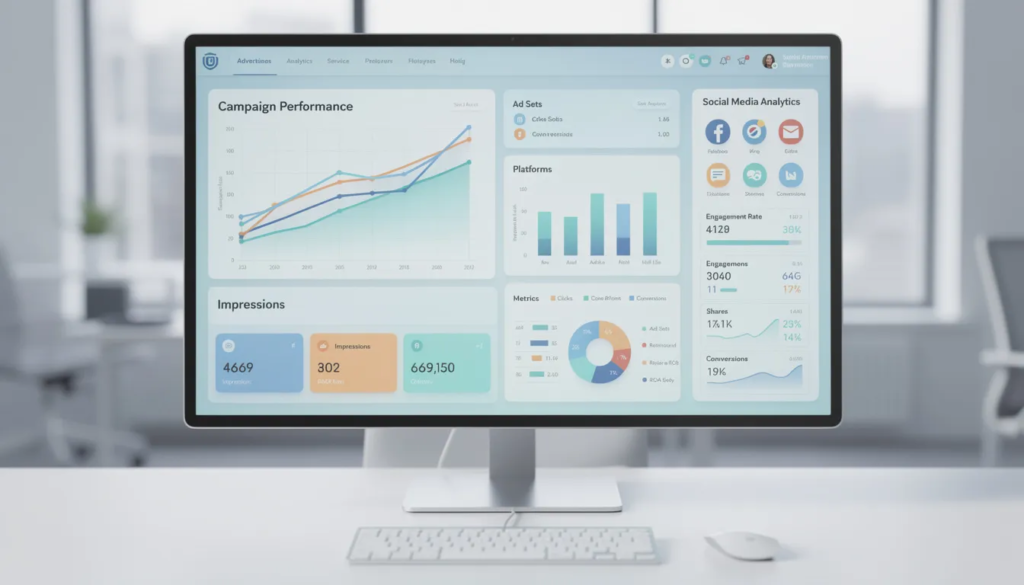
Below you’ll see a visual of the Paid Amplification & Budget Scaling Strategy, which outlines how to transition from initial testing to a predictable growth engine.
InfluencerNexus builds integrated paid strategies using influencer content, ensuring that strong creator assets continue delivering results long after organic peaks fade.
Step 8: Measurement, Attribution, and 2026-Grade Reporting
Influencer marketing can no longer survive on reach and engagement vanity metrics—impact is everything, and measurable roi is mandatory. Sophisticated success measurement separates campaigns that justify continued investment from those that get cut.
Leading vs. lagging indicators: Track both, but report on lagging indicators when proving value to leadership.
Tracking fundamentals:
- Unique UTM links: Every creator and platform combination gets distinct tracking parameters
- Creator-specific discount codes: Enable direct revenue attribution
- Dedicated landing pages: Isolate influencer traffic for cleaner measurement
- Post-purchase surveys: Ask “How did you first hear about us?” to capture view-through attribution
Multi-touch attribution considerations:
Influencer marketing often acts as a first- or mid-touch channel, introducing customers who convert later through retargeting, email, or direct search. Single-touch models (first-click or last-click) undervalue influencer contribution.
Consider position-based or time-decay attribution models that credit influencers appropriately for their role in the customer journey.
Key metrics framework: Dashboarding recommendations:
Consolidate influencer performance alongside paid social, search, and email using tools like Google Analytics 4, Looker Studio, or marketing analytics platforms. Real-time visibility enables optimization during campaigns rather than post-mortem regret.
InfluencerNexus delivers campaign wrap reports with creative insights, cohort analyses, and actionable recommendations, not just vanity metrics screenshots that leave you guessing about actual impact.
Step 9: Run Post-Campaign Reviews and Turn Winners into Always-On Programs
Successful campaigns become reliable growth levers through structured review and relationship building. The goal: compound results rather than resetting every quarter.
Structured post-mortem process:
- Revisit original objectives and compare against actual results
- Summarize what happened (timeline, content published, reach achieved)
- Analyze what worked and what failed with specific evidence
- Define concrete changes for the next cycle
Segment learnings by dimension:
- By creator: Which individuals drove the highest conversion rates?
- By platform: Where did content resonate most?
- By format: Did UGC-style unboxings outperform polished product shots?
- By hook: Which opening seconds drove retention?
- By offer: Did discount codes outperform free shipping?
Document findings like “UGC-style unboxings on TikTok outperformed polished product shots by 3x CTR” to inform future briefs.
Building long-term influencer partnerships:
Graduate high-performing creators into ambassador programs with:
- Monthly content commitments
- Co-creation opportunities (product input, exclusive launches)
- Increased compensation reflecting proven value
- Early access to campaigns and new products
Build an internal “Creator Bench” of top performers treated like extensions of your brand. These new creators become returning partners, re-engaged for launches, promotions, and seasonal content.
Cross-functional learning transfer:
Feed influencer insights back into broader marketing:
- Use winning creator angles in email subject lines
- Apply successful hooks to the landing page copy
- Incorporate creator language into paid ad creative
- Reference authentic testimonials in retail packaging
InfluencerNexus specializes in designing multi-quarter, always-on creator programs that compound results through systematic learning and long-term partnerships.
Step 10: Avoid the Classic Failure Modes (Even Experienced Brands Make These)
Even brands with influencer campaign history fall into predictable traps. Awareness of these failure modes prevents expensive mistakes.
Common traps to avoid:
- Chasing follower count over fit: A mega influencer with misaligned audience demographics wastes budget; a micro influencer with perfect audience fit drives conversions
- Mixing conflicting goals: Asking one campaign to drive awareness, conversion, and community growth dilutes focus and makes marketing effectiveness unmeasurable
- Underestimating lead times: Quality creator campaigns require 4–8 weeks minimum; rushing produces mediocre content and stressed relationships
- Unrealistic legal timelines: Compliance review, contract negotiation, and approval workflows add 1–2 weeks that brands consistently underestimate
Brief-related failures:
- Overscripting creators: Forcing word-for-word scripts kills authenticity and depresses engagement, audiences recognize fake enthusiasm
- Zero direction: Providing no creative guidance produces off-message content requiring expensive reshoots or awkward publishing decisions
Measurement mistakes:
Ignoring mid-funnel metrics and only judging influencer performance by last-click ROAS dramatically underestimates their role in discovery and trust building. Influencer content often initiates relationships that convert through other channels.
Brand safety missteps:
- Skipping deep background checks on creators
- Not monitoring creators’ new content during active campaigns
- Lacking crisis playbooks for when things go wrong
- Failing to add “red flag” criteria (unacceptable topics, language, behaviors) as explicit contract clauses
Prevention approach:
Create documented criteria for unacceptable creator behavior before partnerships begin. Include these as explicit contract clauses with clear termination rights.
InfluencerNexus brings tested playbooks developed across hundreds of campaigns to avoid these pitfalls and protect both performance and brand reputation.
When to Bring in an Influencer Marketing Agency Like InfluencerNexus
Running influencer programs in-house works until it doesn’t. Recognizing the inflection point prevents stalled results and team burnout.
Clear triggers for agency partnership:
- Managing 20+ creators per quarter
- Entering new geographies requiring local creator relationships
- Needing multi-platform orchestration across TikTok, Instagram, YouTube, and emerging channels
- Being asked for a precise ROI by finance or leadership
- Creator campaigns are becoming a significant budget line requiring specialized campaign management
Pain points agencies solve:The InfluencerNexus model:
- Strategy design aligned with business objectives
- Influencer audits and fraud detection
- Creator sourcing and deep vetting
- Content and relationship management
- Paid media integration
- Advanced analytics and performance tracking
Explore InfluencerNexus services to understand how an end-to-end partner differs from simple influencer outreach tools.
Hybrid approach option:
Many brands maintain internal brand ownership and final approvals while delegating discovery, negotiation, campaign management, and reporting to specialist teams. This preserves brand voice while accessing agency expertise and scalability.
If you’re ready to turn influencer marketing from an experimental marketing channel into a predictable growth engine, consider a strategy consultation or audit of existing influencer activity. Insights can be directly tied to short-term revenue goals while building infrastructure for long-term creator partnerships.
FAQ
How long does it take to build a high-performing influencer campaign from scratch?
Plan for 4–6 weeks minimum for strategy development and creator sourcing if starting cold. This includes defining objectives, identifying the right influencers, conducting vetting and audits, negotiating contracts, and developing briefs. Content creation, launch, and optimization add another 3–8 weeks, depending on campaign complexity.
Brands with existing creator relationships and established workflows can compress timelines significantly. However, legal review and compliance, especially for regulated industries, consistently add 1–2 weeks that teams underestimate.
For statistically significant performance data that informs future investment decisions, plan at least one full quarter from “we need a campaign” to “we have hard performance data.” Shorter campaigns produce anecdotes, not actionable insights.
What budget do I really need in 2026 if I’ve already done smaller influencer tests?
A meaningful test that produces actionable learning requires $25K–$50K per quarter minimum. This allows testing multiple creator tiers, formats, and platforms rather than betting everything on one or two partnerships.
More robust multi-platform programs with paid amplification and proper measurement infrastructure start around $75K+ quarterly. Budgets below this threshold rarely generate enough signal to build a reliable, scalable influencer program.
Allocate at least 20–30% of influencer spend to amplification and testing. Brands that spend 100% on creator fees with nothing left for paid support leave significant performance on the table.
How do I handle multiple regions or languages in one influencer campaign?
Local creators who understand culture, language nuances, and platform behavior in each market dramatically outperform translated content from US-based creators. A Mexican beauty influencer connects with Mexican audiences in ways an American creator speaking Spanish cannot replicate.
Use a hub-and-spoke approach: central strategy and measurement frameworks with localized briefs and creator rosters per region. This maintains brand consistency while enabling cultural authenticity.
Regional compliance varies significantly; disclosure rules, product claims regulations, and data privacy laws differ across markets. Coordinate with local legal counsel or agencies experienced in cross-border influencer campaigns to avoid expensive mistakes.
Can influencer campaigns work for high-consideration or B2B products?
Influencer marketing extends far beyond impulse B2C purchases. B2B and high-ticket strategies work exceptionally well when creators are genuine experts or practitioners, CTOs reviewing enterprise software, consultants sharing implementation experiences, operators demonstrating workflow tools.
Content strategy shifts toward education, case studies, and long-form content on YouTube, LinkedIn, webinars, and podcasts rather than “haul” videos and unboxings. The specific audience for B2B products values depth over entertainment.
Success measurement adapts to longer sales cycles: track pipeline influenced, deal velocity acceleration, and win rates for influencer-touched accounts rather than immediate purchases. Attribution windows extend to 90+ days for enterprise decisions.
What should I do if an influencer severely underperforms during a campaign?
Before making decisions, diagnose the root cause. Is the issue creative (weak hook, poor storytelling), distribution (bad posting time, algorithmic headwinds), or fundamental misalignment (wrong audience for your product)?
If the relationship and brand fit are strong, collaborate with the creator on troubleshooting. Test at least one revised concept, a different hook, an alternative format, and adjusted messaging before concluding the partnership doesn’t work.
When pivoting becomes necessary, shift budget to other creators mid-campaign, negotiate make-good content per contract terms, or end the partnership professionally. Maintain respectful communication regardless of outcome; the creator community is smaller than you think, and reputation matters for future influencer collaborations.